If you are looking for a dedicated attorney who will fight for your rights and provide compassionate guidance, I highly recommend Lindsey and her firm. They made a significant difference in my divorce, and I will be forever thankful for their invaluable assistance.

Serving All North Carolina
(704) 954-8697
Charlotte Divorce Lawyer
Wife Secures Fair Share of Business in Divorce
Divorce
Divorce Client Successfully Avoids Court
Divorce
Client secures joint custody, ensuring continued parental connection
Child Custody
Client secures fair division, safeguarding post-divorce financial stability
Asset Division
Client navigates adoption hurdles smoothly with attorney's guidance
Adoption
Client secures substantial post-divorce support for financial stability
Spousal Support
A divorcing couple negotiated fair alimony for a smoother transition post-divorce
Alimony
Grandparents secured visitation, preserving family ties with grandchildren
Visitation
Client secures court orders, prioritizing children's well-being
Parental Alienation
Attorney-guided mediation resolves couple's property dispute
Mediation
If you’re considering divorce in Charlotte, you may have questions about what happens next, what it will cost, and how the decisions ahead could affect your family and finances. You do not have to figure everything out at once.

Divorce can feel overwhelming because you are making important decisions during an already difficult time. At Waple & Houk, PLLC, our Charlotte family law attorneys help clients understand their rights, options, and next steps. We guide families through divorce proceedings in Mecklenburg County, including matters involving children, property, support, and complex financial concerns.
When you meet with a Charlotte divorce lawyer at our firm, you can ask questions without judgment and get straightforward guidance about your situation. We explain what to expect, identify issues that may need immediate attention, and help you develop a strategy based on your priorities.
Contact us to schedule a confidential consultation. Having experienced legal guidance from the beginning can help you make informed decisions throughout the divorce process.
Considering Divorce in Charlotte?
You do not have to have every decision figured out before speaking with an attorney. Waple & Houk can help you understand the process, your options, and what to consider before taking your next step.
Discuss Your SituationWhy Charlotte Families Choose Waple & Houk
Choosing a divorce attorney is about more than finding someone who understands North Carolina law. You need someone who understands what matters to you and can help you navigate the decisions ahead.

We listen before developing a strategy. Our skilled lawyers take time to understand your priorities, whether that means protecting your relationship with your children, preserving financial stability, or resolving the divorce with as little conflict as possible.
We know Mecklenburg County courts. Our Charlotte divorce attorneys regularly handle family law matters in Mecklenburg County. That local experience helps us anticipate procedural issues and prepare clients for what to expect.
We keep you informed. You should understand the decisions being made in your case. We explain your options in plain language and keep you informed as your divorce progresses. Waple & Houk also offers full representation and limited-scope assistance based on your legal needs and circumstances.
Our family law team brings meaningful experience. Our attorneys include members of the Family Law Section of the North Carolina and Mecklenburg County Bar Associations, a Guardian Ad Litem volunteer attorney, and a BNC Legal Elite honoree. One attorney also brings a background in psychology to family law, which can provide useful perspective in emotionally complex disputes.
Real Client Review
Jon W.
How Does the Divorce Process Work in Charlotte?
Understanding the basic divorce process can make the decisions ahead feel more manageable. Waple & Houk helps clients prepare during separation, identify issues that need attention, complete required filings, and address disputes that arise along the way.
Residency and Filing Requirements
To file for absolute divorce in North Carolina, at least one spouse must have lived in the state for at least six months before filing. Charlotte residents generally file their divorce action in Mecklenburg County when the applicable filing requirements are met.
A Charlotte divorce attorney can help confirm where your case should be filed and make sure the required documents are properly prepared.
The One-Year Separation Requirement
North Carolina generally requires spouses to live separate and apart for at least one year before filing for absolute divorce. The spouses must live in separate residences, and at least one must intend for the separation to be permanent.
You do not have to wait until the separation year ends to speak with a lawyer. In fact, this period can be an important time to address financial issues, parenting arrangements, and claims that could affect the divorce.

What Happens After the Separation Period?
Once the separation requirement is satisfied, the divorce process generally involves:
- Preparing and filing the divorce complaint with the appropriate court.
- Serving the other spouse according to North Carolina’s procedural requirements.
- Allowing time for a response and addressing any issues raised in the case.
- Completing the required court process before an absolute divorce is entered.
The timeline varies depending on the circumstances and whether other family law issues are disputed. Waple & Houk guides clients through each stage and helps them understand what is required before moving forward.
What Can You Address Before Filing for Divorce?
You do not have to wait until the one-year separation period ends to address every issue between you and your spouse.
Depending on your circumstances, matters involving child custody, child support, spousal support, and property division may be addressed during separation.
A divorce lawyer can help determine which issues require immediate attention, which may be resolved through negotiation, and which may require court involvement. negotiated separation agreement before ever filing for divorce — saving money and reducing conflict.
Real Client Review
Pepper L.
I am enormously grateful to Waple & Houk for their work on my devastatingly unexpected divorce. Facing an extremely constrained timeline, they acted swiftly, professionally, and with empathy. They guided me through one of the most stressful seasons of my life with expertise and dedication. My sincere appreciation to the whole team: Lindsey, Katie, and Laura.
How a Charlotte Divorce Lawyer Helps With Related Family Law Issues
Divorce itself legally ends the marriage, but it does not automatically resolve every financial or parenting issue between spouses. One of your attorney’s most important roles is identifying those issues and making sure important rights are addressed at the appropriate time.
Property and Financial Issues
North Carolina uses equitable distribution to divide qualifying marital and divisible property. A divorce attorney can help identify assets and debts, distinguish marital property from separate property, evaluate proposed settlements, and determine when valuation or additional financial investigation may be necessary.
For more detail about the law and division process, see our Charlotte property and asset division resource.
Alimony and Spousal Support
Support can become an important issue when spouses have significantly different incomes or financial circumstances. Waple & Houk represents clients seeking support as well as those responding to alimony claims.
Our attorneys evaluate support alongside property and other financial issues so clients can understand how different settlement terms may affect their broader financial position.
Child Custody and Parenting Arrangements
When children are involved, our attorneys help parents address child custody, parenting schedules, and related concerns during separation and divorce.
North Carolina courts decide custody according to the child’s best interests. Rather than assuming one particular arrangement will apply, Waple & Houk helps parents evaluate their circumstances, negotiate workable parenting arrangements when possible, and prepare for court when necessary.

Protect What Matters During Your Divorce
Property, finances, custody, and support can all affect what life looks like after divorce. Talk with our Charlotte divorce attorneys about your priorities and how North Carolina law applies to your situation.
See Your OptionsDivorce Cases We Handle in Charlotte
Every divorce involves different financial, family, and personal concerns. Waple & Houk represents Charlotte clients in straightforward divorces as well as cases requiring extensive negotiation, financial analysis, or litigation.
Uncontested divorce: When spouses have resolved the major issues, an uncontested divorce can provide a more straightforward path to ending the marriage after North Carolina’s required separation period.
Contested and high-conflict divorce: When spouses disagree about significant issues, a contested divorce may require negotiation, mediation, discovery, or litigation. Our attorneys prepare for resolution while remaining ready to advocate in court when necessary.

High-asset and high-profile divorce: Executives, business owners, professionals, and other high-net-worth clients may face complex financial and privacy concerns. Our high-net-worth divorce representation can involve businesses, investments, executive compensation, real estate, retirement accounts, and other significant assets. We also help clients address complex property and asset division issues.
Gray divorce: Divorce after 50 can place greater emphasis on retirement assets, long-term financial security, alimony, health coverage, and estate planning concerns.
Military divorce: A military divorce can involve military retirement benefits, federal protections, and other issues that do not typically arise in civilian divorces.

Same-sex divorce and LGBTQ+ family law: Depending on the family’s history and circumstances, same-sex divorce may raise questions involving parental rights, adoption, property ownership, and other family law concerns.
Not sure which issues may affect your divorce? A confidential consultation with Waple & Houk can help you identify what needs attention and understand your options. confidential form and we’ll help you figure out the right path forward — no pressure, no commitment.
Divorce Decisions Can Have Long-Term Consequences
Before agreeing to terms involving property, support, or parenting arrangements, understand how those decisions may affect you after the divorce is final.
Speak With A Divorce AttorneyWhat Affects the Cost of a Divorce in Charlotte?
The cost of a divorce depends largely on the issues that must be resolved and how much the spouses disagree. A straightforward divorce with resolved financial and parenting matters generally requires less legal work than a contested case involving custody, businesses, significant assets, or support disputes.
Costs may also include mediation, appraisals, business valuations, financial experts, or other professional services. During your consultation, Waple & Houk can identify factors that may affect the complexity of your case and discuss the level of legal representation you may need.
The firm also offers full representation and limited-scope assistance, giving some clients flexibility based on the legal help their situation requires.
Real Client Review
Ginger A.
Lindsey Houk and Laura will take care of you every step of the way. They truly care about you and your child’s best interest. Lindsey has represented me in the most honest and realistic way possible. She is supportive, direct and a moral representative. Finding Lindsey has been a blessing during the most chaotic and stressful experiences of my life.
What Should You Do Before Filing for Divorce?
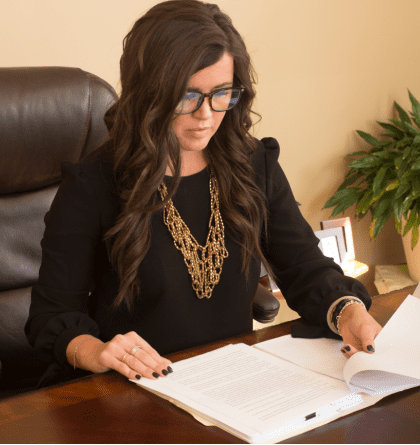
If you are considering separation or divorce, preparation can help you make more informed decisions. Gathering financial records, understanding household accounts and debts, reviewing property ownership, and considering immediate housing and parenting needs can give your attorney a clearer picture of your situation.
Avoid making major financial changes, transferring assets, or signing agreements simply to move the process forward without first understanding the potential consequences.
You also do not have to wait until you are ready to file before speaking with a Charlotte divorce lawyer. Early legal guidance can help you identify what requires immediate attention, what information you should preserve, and which decisions can wait.
Common Myths About Divorce in North Carolina

Myth: Mothers always get custody. North Carolina custody decisions are based on the best interests of the child, not a preference for mothers or fathers. Our fathers’ rights attorneys help parents protect their relationships with their children during custody disputes.
Myth: Adultery determines how marital property is divided. Marital misconduct can have important consequences for alimony, but equitable distribution focuses on the classification, valuation, and fair division of marital and divisible property. The effect of misconduct depends on the legal issue involved.
Myth: My spouse automatically gets half of my business. Business interests can raise complicated classification and valuation questions during divorce. Whether some or all of a business is marital or separate property depends on factors such as when it was acquired, how it was funded, and what occurred during the marriage.
Talk to a Charlotte Divorce Lawyer Today

You do not have to have every issue figured out before speaking with an attorney. Whether you are considering separation, preparing to file, negotiating with your spouse, or already involved in a contested case, Waple & Houk, PLLC, can help you understand what comes next.
Our Charlotte divorce attorneys can review your circumstances, identify issues that may require attention, and explain the options available under North Carolina law. If you already have a proposed separation agreement or other documents, we can also review them before you sign and explain the rights and obligations involved.
Contact Waple & Houk to schedule a confidential consultation with a Charlotte divorce lawyer.
Ready to Talk About What Comes Next?
Every divorce is different. Waple & Houk can answer your questions, explain the options available to you, and help you determine the right path forward.
Schedule Your ConsultationQuestions Charlotte Clients Ask About Divorce
How do I find the right divorce lawyer in Charlotte?
Look for a divorce attorney with experience handling North Carolina family law matters and cases in Mecklenburg County. Ask how the attorney communicates with clients, approaches settlement and litigation, and handles the specific issues involved in your divorce.
The right fit also depends on your priorities. During a consultation, you should be able to ask questions, understand your options, and get a clear sense of how the attorney would approach your case.
What happens to the house in a North Carolina divorce?
The marital home may be sold, awarded to one spouse as part of property division, or addressed through an agreement between the spouses. The appropriate approach depends on factors such as ownership, equity, mortgage obligations, other marital assets, and each spouse’s financial circumstances.
If one spouse keeps the home, the parties may also need to address the existing mortgage and whether refinancing is possible. Because a home can represent a substantial portion of the marital estate, it should be considered as part of the overall property division strategy.
How is child support calculated in North Carolina?
North Carolina child support is generally calculated under statewide guidelines that consider both parents’ incomes, the parenting arrangement, health insurance premiums, work-related childcare expenses, and certain other costs.
The appropriate calculation depends on the family’s circumstances, and some cases may justify a deviation from the guideline amount. Child support also has specific rules governing how long the obligation continues.
Do I have to go to court for a divorce in Charlotte?
Not every divorce requires extensive courtroom litigation. Spouses can often resolve financial, support, and parenting issues through negotiation, mediation, or written agreements.
When disputes cannot be resolved, court involvement may be necessary. Waple & Houk helps Charlotte clients evaluate settlement opportunities while preparing to litigate issues that require judicial resolution.
Can my spouse stop me from getting divorced in North Carolina?
A spouse generally cannot prevent an absolute divorce simply by refusing to agree once North Carolina’s legal requirements for divorce have been satisfied. However, disputes involving property division, alimony, child custody, or other issues can require separate resolution.
A divorce attorney can help make sure those related claims are properly addressed before the divorce becomes final.
Workers’ Compensation
And Family Lawyers
Providing
Strength In A
Time of Crisis
Call US now:






reviews
What Real Clients Have To Say
Melissa S.

Lou and his team did an outstanding job on my case. They kept me updated constantly. There were times when I was so overwhelmed-the encouragement I received from the firm is the BEST I’ve received from any law firm in the past. I HIGHLY recommend Lou and his team.
Tim J.
Great attorney helped the most at a important time.
Aimee B.
Lou and his team worked quickly to ensure that my husband received the care and physical therapy he needed after a pretty serious work injury. They handled every phone call and question with the insurance adjuster, we didn’t have to fight with anyone to get anything that was expected or promised. They communicated with us every step of the way, and they were especially responsive and helpful when my husband’s case required more than anyone had anticipated. Every person we have spoken with in Lou’s office were patient and respectful, we never felt like we...
Lucas J.
Very good people to work with! I highly recommend this law firm.
Dustin M.
I have never had a more pleasant experience with an attorney and their paralegals in my life!!! Hands down the best law firm in North Carolina, probably the whole country! Would definitely recommend them to anyone needing counsel. They are all so easy to get along with and friendly.... My employer lied, as many do in this situation but Lou and his team were quick to step in and get me the compensation I deserved! Thank you, from my whole family. Waple and Houk are #1
Darrin R.
Mr. Lou is by far the most compassionate attorney I’ve encountered and once again he helped me with a worker’s compensation claim and his paralegal was also great. Mr.Lou is very professional and he allows you room for your concerns and opinions, he’s just a great human being that doesn’t need to advertise his partnership law firm on tv just ask any of his past clients and they would totally agree with me, God forbid that I’m in a serious car accident but if I am he’s just a phone call away so if you...
Travis B.
Mr. Waple did a fantastic job on my case, even if I wasn't a lot of help he still came through and for that I thank you Mr. Waple.
Tara D.
I was at a point of despair & thought that my then employer would do the right thing. Lou’s honesty, and integrity; along with his guidance gave me the dose of reality that I needed to see the true colors of legality in corporate America. Without his savvy I would have been blindsided! Cherie, always responded to all of my responses, and nervous reactions and made sure Lou was aware of what was happening! Great firm, I would highly recommend to anyone who wants respect, honesty and guidance as a client!
Aunyette S.
Mr.Waple has handled both of my cases very well. I definitely recommend this team of professional lawyers and secretaries. Thank you!
Tashaun H.
My experience working with Lou was an absolute joy. From our very first conversation, he assured me that he would work relentlessly to help me secure adequate compensation for my case and he did just that. His paralegal, Cheri, was helpful with timely responses to any and all questions I had and she helped reduce the stress of a very tedious process. I highly recommend this firm for any future litigation and would love to work with them again if the opportunity arises.