Serving All North Carolina
(704) 954-8697
Charlotte Workers Compensation Lawyer for Delivery Drivers
$325,000
Back Injury
$198,000
Back Injury
$170,000
Shoulder Injury
$130,000
Shoulder Injury
$125,000
Back Injury
$115,000
Back/Hip Injury
$100,000
Foot Injury
$90,000
Neck/Back Injury
$75,000
Hand Injury
$70,000
Foot Injury
Delivery drivers spend their workdays on the road, navigating traffic, making frequent stops, lifting packages, and working under tight delivery schedules. When an injury happens, whether in a vehicle accident, during a delivery, or while loading and unloading cargo, the physical, financial, and emotional impact can be immediate.
As a Charlotte delivery driver injured on the job, you may be facing medical treatment, lost wages, and uncertainty about when you can return to work. North Carolina’s workers’ compensation system provides benefits for many work-related injuries, but obtaining those benefits is not always straightforward. Employers and insurance companies may question how the injury occurred, or challenge your right to compensation. There are strict deadlines that apply to workers’ compensation claims, and taking the right steps early can make a significant difference in the outcome of your case.
Do not wait and put your benefits at risk. Contact Waple & Houk, PLLC, to discuss your injury and learn how we can help protect your rights.
Work-Related Injuries for Delivery Drivers
Delivery drivers face a combination of driving hazards and physical job demands that make workplace injuries common. Long hours behind the wheel, frequent lifting and carrying, navigating unfamiliar properties, and working in all weather conditions create risks that can lead to serious injuries. When an injury occurs on the job, North Carolina workers’ compensation benefits may be available to cover medical treatment and lost wages.

Common Injuries Sustained by Delivery Drivers
Delivery drivers frequently suffer injuries that require extensive medical treatment and time away from work, including:
- Back and Spine Injuries
Repeated lifting, carrying, and prolonged sitting can lead to muscle strains, herniated discs, and other serious back conditions. - Broken Bones and Fall Injuries
Slips and falls on customer properties, loading docks, and warehouses often result in fractures, sprains, and soft-tissue injuries. - Head and Brain Injuries
Motor vehicle accidents and falls can cause concussions, traumatic brain injuries, and other serious head trauma. - Shoulder, Knee, and Repetitive Stress Injuries
The physical demands of delivery work can create chronic injuries affecting joints, tendons, and nerves. - Dog Bite Injuries
Drivers delivering to residential properties may suffer puncture wounds, infections, and other injuries caused by animal attacks.

Workers’ Compensation Rights for Delivery Drivers
Delivery drivers injured on the job are entitled to benefits if they are classified as employees. North Carolina’s workers’ compensation system is no-fault, meaning injured workers generally do not have to prove their employer caused the injury as long as it occurred while performing job duties.
Most North Carolina employers with three or more employees are required to carry workers’ compensation insurance. As a result, many delivery drivers who are classified as employees may be eligible for benefits after a work-related injury.
Your Coverage Under North Carolina Law

Benefits are designed to help injured delivery drivers recover without bearing the full financial burden of a workplace injury. Benefits typically include coverage for authorized medical treatment and wage replacement equal to two-thirds of the employee’s average weekly wage while they are unable to work.
Medical benefits may cover doctor visits, hospital care, diagnostic testing, prescription medications, physical therapy, and other treatment reasonably necessary for recovery. In many cases, injured workers must receive care from an employer-approved medical provider to ensure treatment remains covered. Mileage reimbursement may be available for travel expenses exceeding 20 miles to medical appointments.
Employee vs. Independent Contractor Status Can Affect Eligibility
Whether a delivery driver is classified as an employee or an independent contractor affects eligibility for benefits. Drivers for companies like UPS, FedEx, and Amazon are usually classified as employees and are covered by law. Gig drivers for apps like DoorDash and Uber Eats are often classified as contractors, which typically excludes them from coverage.
That said, North Carolina law looks at the real working relationship to determine employee status, including who controls the work, schedule, and pay. Many drivers are misclassified as contractors, and insurers may use misclassification to deny claims, but this status can be challenged. If a delivery driver is classified as a contractor, they may still challenge that classification under North Carolina law if the company controls their work.
The delivery industry includes a wide range of roles, from local package delivery to commercial freight transportation. Drivers operating larger commercial vehicles may face additional workers’ compensation considerations depending on their employment arrangement and insurance coverage. For example, under NCGS § 97-19.1, certain owner-operators who do not carry their own workers’ compensation insurance may still be eligible for benefits when operating under a motor carrier’s DOT or ICC authority.
Key Deadlines and Steps After a Delivery Driver Injury
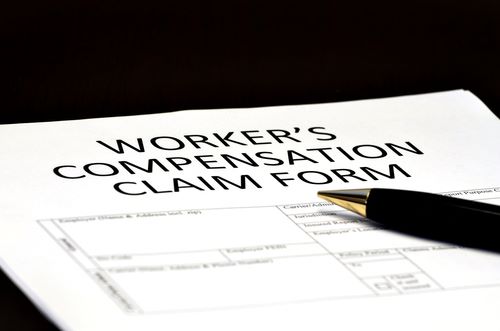
If you are injured while working as a delivery driver, report the injury to your supervisor immediately. In North Carolina, you must report a workplace injury to your employer within 30 days of the incident. Document everything related to your injury and the circumstances surrounding it, including where it happened, who witnessed it, and any medical records you receive after a worker’s injury.
After reporting the injury, you have two years to file a claim in North Carolina. Missing deadlines can put benefits at risk, so it is important to file a claim promptly and keep copies of documents that show how the injury results affected your ability to work.
When a Third-Party Injury Claim May Be Available in a Delivery Driver Work Injury Case
Workers’ compensation helps cover medical treatment and a portion of lost wages, but it does not provide compensation for pain and suffering. If someone outside your employment caused your injury, you may also have a separate personal injury claim that allows you to pursue additional damages.

For example, if another driver caused a crash while you were making deliveries, you may have both a workers’ compensation claim and a third-party personal injury claim. Similar situations can arise when injuries are caused by negligent property owners or other parties unrelated to your employer.
These claims can become complicated because insurance companies often try to shift responsibility to the injured worker. In North Carolina, the contributory negligence rule may bar recovery in a personal injury case if you are found even partially at fault for the accident. Because of this strict standard, establishing liability and preserving evidence can be critical.
When multiple insurance carriers, driver logs, vehicle data, witness statements, and accident reports are involved, disputes can arise quickly. Having an attorney evaluate the facts early can help protect your rights and address liability challenges before they affect your claim.

What Happens If Your Claim Is Denied
The North Carolina Industrial Commission oversees the workers’ compensation system and handles disputes between employers and employees. If a claim is denied, drivers can request a hearing with the North Carolina Industrial Commission. You have the right to appeal the decision within a specified timeframe, and it is important to respond promptly and with complete documentation, including supporting medical records and proof of ongoing care.
How Waple & Houk Assists Delivery Drivers Through Complex Claims
Workers’ compensation claims can become complicated when insurers dispute injuries, delay benefits, or question whether an injury is work-related. Our team helps delivery drivers navigate the claims process by gathering supporting evidence, reviewing medical records, coordinating with treating providers, meeting important deadlines, and handling communications with insurance companies.
We regularly assist injured workers with denied claims and appeals, disputed medical treatment, wage-loss benefits, and hearings before the North Carolina Industrial Commission. If your claim has been challenged, we can help build the documentation needed to support your case and protect your right to benefits.
These cases often involve more than filing paperwork. Questions about medical treatment, work restrictions, benefit calculations, and employer obligations can arise throughout the life of a claim. We help clients understand their options at each stage and advocate for their interests when disputes occur.
If you are searching for a Charlotte workers’ compensation attorney, having an experienced attorney who understands the delivery industry and workers’ comp law can help you navigate your claim. We represent delivery drivers across North Carolina and Mecklenburg County, including those working routes through Huntersville, Concord, Cabarrus County, and Hickory.
Secure Your Future After a Delivery Injury
Injuries sustained during work delivery can disrupt your livelihood and place a heavy burden on your family. That’s why it’s crucial to understand your rights and have a trusted legal team by your side throughout the process, including when your work injury leads to lasting limitations such as permanent impairment.
If you need help with delivery driver workers’ comp Charlotte issues, we can explain your next steps and what the law requires, including how coverage extends to injuries that occur while performing job-related tasks. Contact Waple & Houk, PLLC, today to request a confidential case review and a free consultation so you can understand your options without relying on guesswork.
reviews
What Real Clients Have To Say
Melissa S.

Lou and his team did an outstanding job on my case. They kept me updated constantly. There were times when I was so overwhelmed-the encouragement I received from the firm is the BEST I’ve received from any law firm in the past. I HIGHLY recommend Lou and his team.
Tim J.
Great attorney helped the most at a important time.
Aimee B.
Lou and his team worked quickly to ensure that my husband received the care and physical therapy he needed after a pretty serious work injury. They handled every phone call and question with the insurance adjuster, we didn’t have to fight with anyone to get anything that was expected or promised. They communicated with us every step of the way, and they were especially responsive and helpful when my husband’s case required more than anyone had anticipated. Every person we have spoken with in Lou’s office were patient and respectful, we never felt like we...
Lucas J.
Very good people to work with! I highly recommend this law firm.
Dustin M.
I have never had a more pleasant experience with an attorney and their paralegals in my life!!! Hands down the best law firm in North Carolina, probably the whole country! Would definitely recommend them to anyone needing counsel. They are all so easy to get along with and friendly.... My employer lied, as many do in this situation but Lou and his team were quick to step in and get me the compensation I deserved! Thank you, from my whole family. Waple and Houk are #1
Darrin R.
Mr. Lou is by far the most compassionate attorney I’ve encountered and once again he helped me with a worker’s compensation claim and his paralegal was also great. Mr.Lou is very professional and he allows you room for your concerns and opinions, he’s just a great human being that doesn’t need to advertise his partnership law firm on tv just ask any of his past clients and they would totally agree with me, God forbid that I’m in a serious car accident but if I am he’s just a phone call away so if you...
Travis B.
Mr. Waple did a fantastic job on my case, even if I wasn't a lot of help he still came through and for that I thank you Mr. Waple.
Tara D.
I was at a point of despair & thought that my then employer would do the right thing. Lou’s honesty, and integrity; along with his guidance gave me the dose of reality that I needed to see the true colors of legality in corporate America. Without his savvy I would have been blindsided! Cherie, always responded to all of my responses, and nervous reactions and made sure Lou was aware of what was happening! Great firm, I would highly recommend to anyone who wants respect, honesty and guidance as a client!
Aunyette S.
Mr.Waple has handled both of my cases very well. I definitely recommend this team of professional lawyers and secretaries. Thank you!
Tashaun H.
My experience working with Lou was an absolute joy. From our very first conversation, he assured me that he would work relentlessly to help me secure adequate compensation for my case and he did just that. His paralegal, Cheri, was helpful with timely responses to any and all questions I had and she helped reduce the stress of a very tedious process. I highly recommend this firm for any future litigation and would love to work with them again if the opportunity arises.

Request a Consultation
We Are Here For You

NUVEW | Copyright 2026 All Rights Reserved | Accessibility Notice | Privacy Policy
Attorney Advertising. This information is designed for general information only. The information presented should not be construed to be formal legal advice nor the formation of a lawyer/client relationship. Past results and testimonials are not a guarantee, warranty, or prediction of the outcome of your case, and should not be construed as such. Past results cannot guarantee future performance. Any result in a single case is not meant to create an expectation of similar results in future matters because each case involves many different factors, therefore, results will differ on a case-by-case basis. By providing contact information, users acknowledge and give explicit consent to be contacted via the methods of communication provided, including SMS. Message and data rates may apply. Message frequency may vary. Reply STOP to opt out.