Serving All North Carolina
(704) 954-8697
Crush Injuries at Work: What You Should Know
Connect With Us
21Aug
A worker pulled from under a pallet jack or a piece of shifted machinery can sometimes stand up, talk normally, and seem largely fine in the first hour after the accident. That impression can be dangerously misleading. Crush injuries are notorious for looking milder in the immediate aftermath than they turn out to be once the full extent of the damage develops over the following days.
That delayed reality has real consequences for how a crush injury at work gets treated medically and how the resulting claim gets handled. A Charlotte workers’ compensation lawyer can help make sure the claim reflects how the injury develops rather than only what was documented immediately after the accident.
What Qualifies as a Crush Injury
A crush injury happens when a body part is compressed between two objects or under sustained weight, cutting off blood flow and damaging muscle, nerve, and soft tissue. Common causes on the job include being caught between heavy machinery components, pinned under a forklift or pallet jack, struck by a shifting load, trapped during a vehicle collision, or caught in a partial structural collapse. Unlike a laceration or a broken bone, the damage from a crush injury is not always visible from the outside, which is part of why these cases require closer medical attention than the initial appearance might suggest.
Charlotte Workers Who May Face Crush Injury Risks
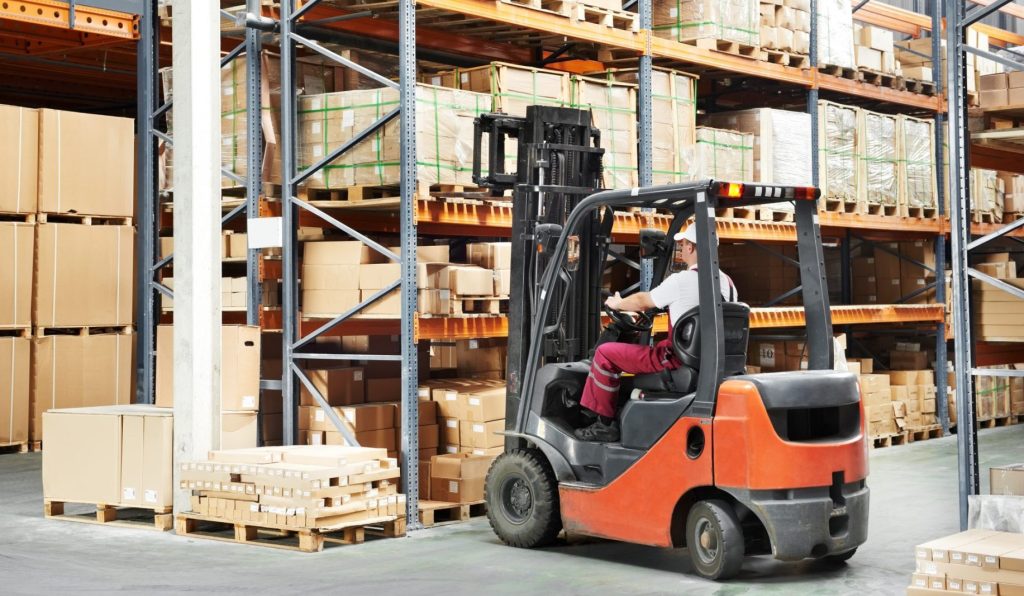
Crush injuries can occur anywhere workers are required to work around heavy equipment, vehicles, machinery, or materials that can shift unexpectedly. In Charlotte, these accidents can affect warehouse workers operating around forklifts and pallet jacks, construction workers working around heavy equipment and building materials, and truck drivers involved in loading, unloading, or vehicle accidents.
Similar injuries can happen in manufacturing facilities, maintenance operations, and other workplaces where a worker can become pinned between equipment, trapped beneath a load, or caught between a vehicle and another object.
Why a Crush Injury at Work Can Look Deceptively Mild at First
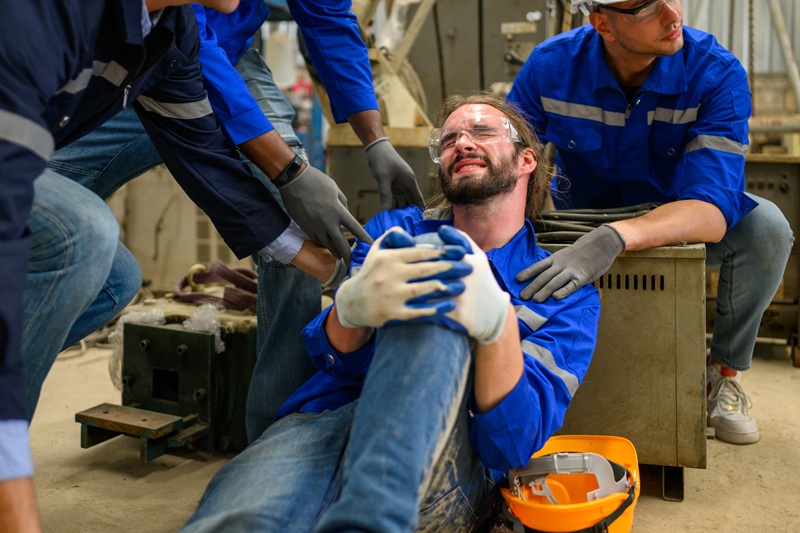
Physicians documented this pattern during World War II after people rescued from collapsed buildings sometimes appeared relatively stable before developing serious complications. Today, doctors recognize that extensive muscle damage can cause rhabdomyolysis, which releases muscle-cell contents into the bloodstream and can contribute to kidney injury and other complications. Creatine kinase levels used to assess muscle damage may not peak until 24 to 72 hours after the injury.
This delayed pattern matters enormously for a claim. A worker who looks fine at the emergency room, gets a preliminary diagnosis of bruising or soft tissue injury, and is released the same day may develop compartment syndrome, kidney complications, or permanent nerve damage over the following days, requiring a level of care the initial paperwork never anticipated.
How Workers’ Compensation Applies to a Crush Injury
Workers’ compensation benefits for a crush injury depend on how the injury affects the worker during recovery and whether permanent limitations remain. A serious crush injury may involve temporary disability while the worker cannot work, medical treatment during recovery, and potentially permanent partial disability if lasting impairment remains after the healing period.
When a crush injury permanently affects a scheduled body part such as a hand, arm, foot, or leg, a physician may assign an impairment rating. North Carolina uses that percentage along with the statutory number of weeks assigned to the affected body part to calculate permanent partial disability benefits.

Workplace Crush Injury Claim Documentation

Because crush injuries can change in the days after an accident, later medical records may be just as important as the initial emergency room report. A worker may initially be diagnosed with bruising or a soft tissue injury, only for swelling, weakness, nerve symptoms, or other complications to become apparent later.
Follow-up care creates a medical timeline showing how the injury developed and whether new symptoms required additional treatment. Workers should tell their medical providers about new or worsening symptoms rather than assuming they are a normal part of recovery.
Other documentation can also help show how the injury changes over time. Photographs of visible swelling, bruising, or discoloration and a simple record of symptoms and physical limitations can provide additional context between medical appointments.
When a Crush Injury Causes Permanent Work Limitations
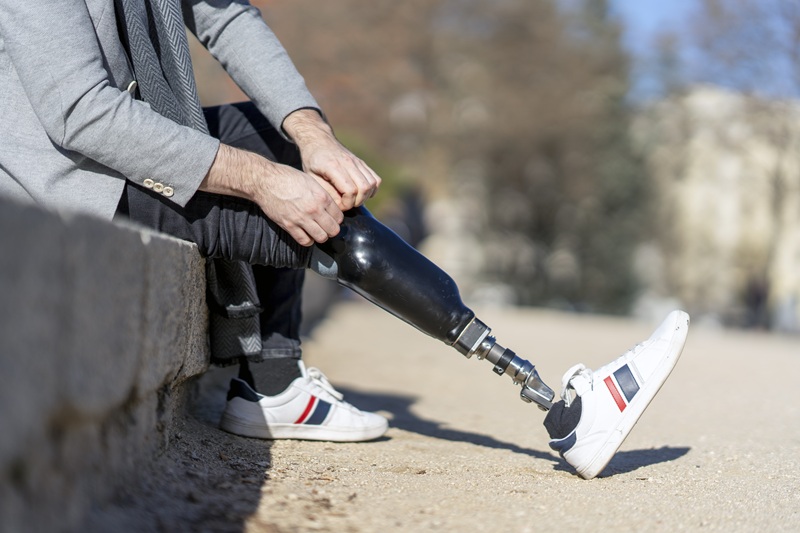
Some workers recover from a crush injury without permanent limitations, while others are left with nerve damage, reduced strength, limited mobility, chronic pain, or other lasting problems. Prolonged or severe compression can damage blood vessels, nerves, muscles, and other tissue enough that the affected limb or digit cannot be saved. Compartment syndrome can also restrict blood flow and cause irreversible tissue damage if it becomes severe or is not treated quickly enough. In those circumstances, surgical amputation may become medically necessary.
Once the worker reaches the end of the healing period, a physician may assign a permanent impairment rating when a scheduled body part such as a hand, arm, foot, or leg has been affected.
An impairment rating is not the same as determining what work the employee can still perform. When there are questions about physical abilities, a functional capacity evaluation may be used to measure things like lifting, carrying, gripping, standing, or walking. If permanent restrictions prevent the employee from returning to the same job or earning the same wages, the workers’ compensation issues may extend beyond the impairment rating itself.
Crush injuries can also cause complications beyond the injured limb. For workers who develop severe rhabdomyolysis or kidney injury, continued medical monitoring or treatment may be necessary even after the more visible injuries have healed.
When a Crush Injury Changes More Than Your Work
The effects of a serious crush injury may not be fully understood during the first days after an accident. What initially appears to be a localized injury can develop into nerve damage, loss of function, or other complications that affect a worker’s ability to return to the same job.
For a workers’ compensation claim, the important question is how the injury ultimately affects the worker after treatment and recovery. Medical needs, permanent restrictions, impairment, and reduced earning ability can all become relevant depending on the outcome.
If you suffered a crush injury at work, Waple & Houk can review your claim and help you understand how your medical treatment, work restrictions, and any permanent limitations may affect the benefits available to you.
Get Help With a Workplace Crush Injury
If you suffered a crush injury on the job, our attorneys can help you understand your claim and the benefits that may be available as your condition develops.
Speak With Our TeamWorkers’ Compensation
And Family Lawyers
Providing
Strength In A
Time of Crisis
Call US now:
Our Success
Case Results
$80,000
Elbow Injury
$350,000
Arm Injury





Related Posts


24Aug 2026
reviews
What Real Clients Have To Say
Melissa S.

Lou and his team did an outstanding job on my case. They kept me updated constantly. There were times when I was so overwhelmed-the encouragement I received from the firm is the BEST I’ve received from any law firm in the past. I HIGHLY recommend Lou and his team.
Tim J.
Great attorney helped the most at a important time.
Aimee B.
Lou and his team worked quickly to ensure that my husband received the care and physical therapy he needed after a pretty serious work injury. They handled every phone call and question with the insurance adjuster, we didn’t have to fight with anyone to get anything that was expected or promised. They communicated with us every step of the way, and they were especially responsive and helpful when my husband’s case required more than anyone had anticipated. Every person we have spoken with in Lou’s office were patient and respectful, we never felt like we...
Lucas J.
Very good people to work with! I highly recommend this law firm.
Dustin M.
I have never had a more pleasant experience with an attorney and their paralegals in my life!!! Hands down the best law firm in North Carolina, probably the whole country! Would definitely recommend them to anyone needing counsel. They are all so easy to get along with and friendly.... My employer lied, as many do in this situation but Lou and his team were quick to step in and get me the compensation I deserved! Thank you, from my whole family. Waple and Houk are #1
Darrin R.
Mr. Lou is by far the most compassionate attorney I’ve encountered and once again he helped me with a worker’s compensation claim and his paralegal was also great. Mr.Lou is very professional and he allows you room for your concerns and opinions, he’s just a great human being that doesn’t need to advertise his partnership law firm on tv just ask any of his past clients and they would totally agree with me, God forbid that I’m in a serious car accident but if I am he’s just a phone call away so if you...
Travis B.
Mr. Waple did a fantastic job on my case, even if I wasn't a lot of help he still came through and for that I thank you Mr. Waple.
Tara D.
I was at a point of despair & thought that my then employer would do the right thing. Lou’s honesty, and integrity; along with his guidance gave me the dose of reality that I needed to see the true colors of legality in corporate America. Without his savvy I would have been blindsided! Cherie, always responded to all of my responses, and nervous reactions and made sure Lou was aware of what was happening! Great firm, I would highly recommend to anyone who wants respect, honesty and guidance as a client!
Aunyette S.
Mr.Waple has handled both of my cases very well. I definitely recommend this team of professional lawyers and secretaries. Thank you!
Tashaun H.
My experience working with Lou was an absolute joy. From our very first conversation, he assured me that he would work relentlessly to help me secure adequate compensation for my case and he did just that. His paralegal, Cheri, was helpful with timely responses to any and all questions I had and she helped reduce the stress of a very tedious process. I highly recommend this firm for any future litigation and would love to work with them again if the opportunity arises.