Serving All North Carolina
(704) 954-8697
Can You Be Forced Back to Work After an Injury?
Connect With Us
15Oct
Returning to work after an injury can be difficult when your employer says you’re ready, but you still have medical restrictions. Refusing a job offer may affect your workers’ compensation benefits, while returning too soon can put your recovery at risk.
North Carolina law provides protections for injured workers, but it also establishes requirements for accepting suitable employment. Understanding those requirements can help you avoid decisions that jeopardize your benefits.
At Waple & Houk, our Charlotte workers’ compensation attorneys help injured workers address return-to-work disputes, medical restrictions, and disagreements over disability benefits.

Can Your Employer Force You to Return to Work After an Injury?
Your employer cannot physically force you to return to work after a workplace injury. However, refusing suitable employment without justification can affect your workers’ compensation benefits.
Under North Carolina law, an employer may offer work that meets the applicable requirements for suitable employment. If a worker refuses a qualifying offer without sufficient justification, disability compensation may be suspended during the period of refusal.
However, an employer cannot establish that a job is suitable simply by offering it. The position must satisfy the applicable legal standards, including consideration of the worker’s medical limitations.
Whether a worker can refuse an offer without affecting benefits depends on several factors:
- Medical restrictions: What limitations has the authorized treating physician established?
- Job requirements: Do the actual duties satisfy the legal requirements for suitable employment?
- Recovery status: Has the worker reached maximum medical improvement, and which suitability standards apply?
A disagreement over these factors may require review by the North Carolina Industrial Commission. Workers should understand their rights before accepting or rejecting a disputed return-to-work offer.

North Carolina Workers’ Comp Return-to-Work Rules
North Carolina workers’ compensation law establishes requirements for injured employees who receive offers to return to work. A central consideration is whether the position qualifies as suitable employment.
Under N.C. Gen. Stat. § 97-32, a worker who refuses suitable employment may lose disability compensation during the period of refusal. However, the North Carolina Industrial Commission may determine that the refusal is justified.
Not every job offer qualifies as suitable employment. The position must meet the applicable legal requirements, which depend partly on the worker’s stage of recovery.

What Counts as Suitable Employment in NC?
N.C. Gen. Stat. § 97-2(22) establishes different standards for suitable employment before and after maximum medical improvement (MMI).
- Before MMI: Suitable employment generally involves work the employee can perform within their medical restrictions. This may include temporary light-duty assignments or other rehabilitative employment consistent with the worker’s recovery.
- After MMI: Suitable employment must account for the worker’s physical capabilities, vocational skills, education, experience, and applicable wage requirements. The statute also includes geographic considerations, generally involving employment within 50 miles of the worker’s residence.
These distinctions matter because a job that qualifies as suitable during recovery may not satisfy the requirements for suitable employment after MMI.
The employer’s offer, medical evidence, and applicable statutory requirements all affect whether refusing a position can jeopardize benefits.
How Medical Work Restrictions Affect Returning to Work
Medical restrictions help determine which job duties an injured worker can safely perform. The authorized treating physician establishes these limitations based on the worker’s condition and recovery needs.
Common work restrictions include:
- Lifting no more than a specified weight
- Limits on standing, walking, or sitting
- Restrictions on overhead reaching or repetitive movements
- Reduced working hours or required breaks
- Restrictions on driving or operating machinery
A job title alone may not accurately describe the physical demands of a position.
For example, an employer may offer an injured worker an office assistant role. Although the position sounds relatively light, its actual duties may involve lifting supply boxes, prolonged standing, or repetitive movements.
If the physician approves the position without reviewing those duties, the worker may face tasks that exceed their medical restrictions.
A detailed written job description can help the physician evaluate whether the proposed work is consistent with the worker’s limitations. It also provides useful documentation if a dispute arises over the suitability of the assignment.

Do You Have to Accept Light-Duty Work?
Light-duty assignments allow some injured workers to return to employment while recovering from workplace injuries. These positions may involve modified responsibilities, reduced physical demands, or shorter working hours.
Examples include answering phones, completing administrative tasks, performing inventory duties, or training other employees.
An injured worker may be required to accept light-duty employment when the position meets North Carolina’s applicable suitable employment requirements. Refusing a qualifying offer without justification can affect disability benefits.
However, a light-duty designation does not automatically make a position suitable. The actual job duties, medical restrictions, and worker’s recovery status remain important.
If the position pays less than the worker’s pre-injury employment, temporary partial disability benefits may be available, subject to applicable eligibility requirements.
Whether an injured worker must accept light-duty work in North Carolina depends on the circumstances of the offer and the worker’s medical condition.

Can You Lose Workers’ Comp Benefits for Refusing Light Duty?
Refusing suitable employment without justification can result in suspended disability compensation under North Carolina law.
However, an employer or insurer seeking to suspend ongoing benefits must follow the applicable Industrial Commission procedures. Depending on the claim’s status and existing compensation arrangements, this may involve a request to suspend benefits through Form 24 or another appropriate process.
A worker may have grounds to dispute the proposed suspension when:
- The position requires duties beyond documented medical restrictions.
- The employer’s description of the work differs from the actual responsibilities.
- The proposed employment does not meet the applicable statutory suitability requirements.
- Medical evidence supports the worker’s inability to perform the offered duties.
The Industrial Commission may review the circumstances to determine whether the employment is suitable and whether the refusal is justified.
Workers facing a disputed light-duty offer should seek legal guidance before rejecting the position or making decisions that could affect their benefits.

What If Your Employer Pressures You to Return to Work?
An employer may encourage an injured worker to return through supervisor calls, proposed assignments, or deadlines for responding to job offers. Some workers also face warnings that refusing a position could affect their workers’ compensation benefits.
However, an employer’s insistence that a worker return does not automatically establish that the offered job is suitable employment.
The position must satisfy North Carolina’s applicable legal requirements, including consideration of medical restrictions and the worker’s recovery status. A supervisor’s assessment of the worker’s abilities does not replace medical evidence.
When a worker has legal representation, communication about disputed return-to-work arrangements should be coordinated with the attorney. This helps ensure that job offers, medical restrictions, and potential consequences for benefits receive appropriate attention.
Disagreements may arise when an employer’s description of a position differs from its actual duties or when medical evidence does not support the proposed assignment.
Waple & Houk helps injured workers address these disagreements and protect their interests during workers’ compensation disputes. When necessary, unresolved issues may require review by the North Carolina Industrial Commission.
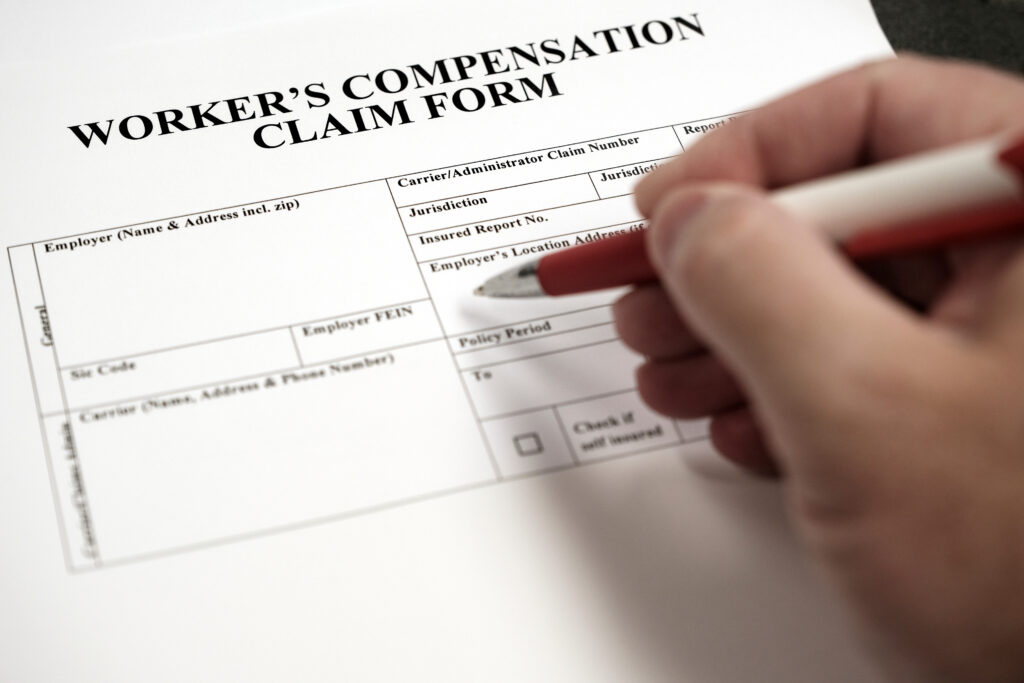
What Happens When Your Doctor Releases You to Work?
A doctor’s release to return to work can significantly affect a workers’ compensation claim. However, medical clearance does not automatically mean that disability benefits must end.
The effect of a release depends on the worker’s medical condition, ability to earn wages, and applicable compensation requirements.
A physician may release a worker to full duty or authorize employment with specific restrictions. A full-duty release indicates that the physician considers the worker medically capable of returning without assigned restrictions. However, disagreements may remain about the worker’s actual ability to perform available employment.
If a worker believes the release does not accurately reflect their condition, additional medical evaluation may help clarify the issue. Depending on the circumstances, the worker may seek another medical opinion or request a change of treating physician through the appropriate process.
A return-to-work release may also occur near maximum medical improvement (MMI), although the two determinations are not identical. Maximum medical improvement generally describes the point when significant further medical improvement is not expected.
Reaching MMI does not necessarily mean the worker can return to their previous job or no longer needs medical treatment. Permanent restrictions, impairment ratings, and ongoing disability may remain relevant.
These issues can affect workers’ compensation benefits after MMI and whether an injured employee can safely return to suitable employment.

What If You Return to Work Before You’re Ready?
Returning to work before an injury has sufficiently healed can lead to additional pain, worsening symptoms, or setbacks in recovery. Injured workers may also worry that attempting to return will permanently affect their disability benefits.
North Carolina provides certain protections through its trial return-to-work provisions.
Under N.C. Gen. Stat. § 97-32.1, qualifying injured workers may attempt to return to employment during a trial period lasting up to nine months.
If the worker cannot continue the employment because of the compensable injury, the statute provides a process for seeking reinstatement of disability compensation, subject to its requirements.
An unsuccessful trial return to work does not necessarily eliminate a worker’s eligibility for additional disability benefits. However, the protection is not automatic in every situation. Eligibility depends on the circumstances and applicable statutory requirements.

What If Your Job Exceeds Your Medical Restrictions?
A light-duty assignment may initially comply with a worker’s medical restrictions but gradually involve more demanding responsibilities.
For example, an employee assigned administrative duties may eventually be asked to lift inventory, stand for extended periods, or perform repetitive tasks. These responsibilities may exceed the limitations established by the authorized treating physician.
When this happens, several considerations become important:
- Actual job duties: Whether the employer’s expectations differ from the position originally offered.
- Medical restrictions: Whether the assigned tasks exceed documented physical limitations.
- Changes in symptoms: Whether the work causes increased pain or other problems requiring medical attention.
- Documentation: Whether written job descriptions, employer communications, and medical records accurately reflect the situation.
- Potential benefit consequences: Whether refusing certain duties or leaving the position could affect disability compensation.
Workers should communicate concerns about assignments that exceed their restrictions and seek appropriate medical guidance. Before resigning or refusing disputed work, legal advice can help clarify the potential consequences for their claim.
What Workers’ Comp Benefits Continue After Returning to Work?
Returning to employment does not automatically end every workers’ compensation benefit. Depending on the circumstances, an injured worker may remain eligible for medical treatment or disability compensation.
The benefits available after returning to work may include:
- Medical treatment: Authorized care for the compensable injury may continue when additional treatment is medically necessary and otherwise covered under North Carolina law.
- Temporary partial disability benefits: Workers earning less because of their compensable injuries may qualify for partial wage-loss compensation, subject to statutory requirements.
- Permanent partial disability compensation: Workers with qualifying permanent impairment may be entitled to compensation based on the applicable statutory provisions.
These benefits have different eligibility requirements. A worker’s return to employment, medical condition, earnings, and impairment rating can all affect the compensation available.
Permanent impairment compensation and wage-loss benefits are not necessarily payable together. The applicable legal requirements determine which forms of compensation a worker may receive.
Some injured workers eventually consider resolving their claims through settlement. A North Carolina workers’ compensation settlement chart can help explain scheduled impairment compensation, although it does not establish the total value of a settlement.

Get Help With a Return-to-Work Dispute in Charlotte
Returning to work after an injury involves more than deciding whether you feel ready. Medical restrictions, job responsibilities, and North Carolina’s suitable employment requirements can all affect your rights.
Accepting work that exceeds your restrictions may jeopardize your recovery. Refusing suitable employment without justification may place your disability benefits at risk.
At Waple & Houk, PLLC, our Charlotte workers’ compensation attorneys help injured employees navigate these difficult decisions. We review proposed job duties, evaluate medical restrictions, and advocate for workers when employers or insurers dispute their entitlement to benefits.
If your employer is pressuring you to return to work or offering a position you believe exceeds your restrictions, contact Waple & Houk to discuss your rights and options before making a decision that could affect your claim.
Workers’ Compensation
And Family Lawyers
Providing
Strength In A
Time of Crisis
Call US now:
Our Success
Case Results
$80,000
Elbow Injury
$350,000
Arm Injury






Related Posts


reviews
What Real Clients Have To Say
Melissa S.

Lou and his team did an outstanding job on my case. They kept me updated constantly. There were times when I was so overwhelmed-the encouragement I received from the firm is the BEST I’ve received from any law firm in the past. I HIGHLY recommend Lou and his team.
Tim J.
Great attorney helped the most at a important time.
Aimee B.
Lou and his team worked quickly to ensure that my husband received the care and physical therapy he needed after a pretty serious work injury. They handled every phone call and question with the insurance adjuster, we didn’t have to fight with anyone to get anything that was expected or promised. They communicated with us every step of the way, and they were especially responsive and helpful when my husband’s case required more than anyone had anticipated. Every person we have spoken with in Lou’s office were patient and respectful, we never felt like we...
Lucas J.
Very good people to work with! I highly recommend this law firm.
Dustin M.
I have never had a more pleasant experience with an attorney and their paralegals in my life!!! Hands down the best law firm in North Carolina, probably the whole country! Would definitely recommend them to anyone needing counsel. They are all so easy to get along with and friendly.... My employer lied, as many do in this situation but Lou and his team were quick to step in and get me the compensation I deserved! Thank you, from my whole family. Waple and Houk are #1
Darrin R.
Mr. Lou is by far the most compassionate attorney I’ve encountered and once again he helped me with a worker’s compensation claim and his paralegal was also great. Mr.Lou is very professional and he allows you room for your concerns and opinions, he’s just a great human being that doesn’t need to advertise his partnership law firm on tv just ask any of his past clients and they would totally agree with me, God forbid that I’m in a serious car accident but if I am he’s just a phone call away so if you...
Travis B.
Mr. Waple did a fantastic job on my case, even if I wasn't a lot of help he still came through and for that I thank you Mr. Waple.
Tara D.
I was at a point of despair & thought that my then employer would do the right thing. Lou’s honesty, and integrity; along with his guidance gave me the dose of reality that I needed to see the true colors of legality in corporate America. Without his savvy I would have been blindsided! Cherie, always responded to all of my responses, and nervous reactions and made sure Lou was aware of what was happening! Great firm, I would highly recommend to anyone who wants respect, honesty and guidance as a client!
Aunyette S.
Mr.Waple has handled both of my cases very well. I definitely recommend this team of professional lawyers and secretaries. Thank you!
Tashaun H.
My experience working with Lou was an absolute joy. From our very first conversation, he assured me that he would work relentlessly to help me secure adequate compensation for my case and he did just that. His paralegal, Cheri, was helpful with timely responses to any and all questions I had and she helped reduce the stress of a very tedious process. I highly recommend this firm for any future litigation and would love to work with them again if the opportunity arises.