Serving All North Carolina
(704) 954-8697
5 Tips for Parenting Your Children During a Divorce
Connect With Us
16Sep
Divorce can bring major changes to a child’s routines, home life, and sense of stability. Children may not understand every reason their parents are separating, but they often notice conflict, uncertainty, and changes in how their family operates.
Parents cannot control every part of a divorce, but they can influence how their children experience it. As you work through child custody and parenting arrangements, maintaining stability, communicating honestly, and keeping children away from adult conflict can make the transition easier.
These five tips can help you support your children during divorce while preparing for the parenting decisions ahead.

How Does Divorce Affect Children?
Divorce can temporarily affect a child’s emotions, behavior, routines, and sense of security. Anxiety, anger, sadness, and uncertainty are common, but many children adjust well over time.
Research summarized in Scientific American suggests that many of the most significant reactions lessen within a few years. Ongoing parental conflict, however, is associated with greater difficulty adjusting.
Parents can help by reducing conflict around their children, maintaining predictable routines, offering reassurance, and making sure children have supportive adults they can turn to.

Tip 1: Create a Parenting Plan During Divorce
A parenting plan gives children more predictability as their family changes. Before discussing the separation with your children, consider what you and your spouse can agree on about living arrangements, schedules, and what happens next.
When parents cannot resolve custody issues after a North Carolina custody case is filed, they generally participate in the state’s custody mediation program unless mediation is waived by the court. The North Carolina courts provide custody mediation at no cost, with an orientation session before mediation. Parents may also address custody and parenting terms through a separation agreement, although custody arrangements remain subject to the child’s best interests.

What Should a Parenting Plan Include?
A parenting plan may address:
- A regular schedule for where the children live and sleep
- Holidays, birthdays, vacations, and school breaks
- Pickup and drop-off arrangements
- How parents make decisions about school, healthcare, and activities
- How parents communicate about the children
- How disagreements are handled
- Phone or video contact with the other parent
For Charlotte families, the Charlotte-Mecklenburg Schools calendar can help shape parenting schedules around school breaks and teacher workdays. Addressing those dates in advance can reduce avoidable disagreements later.
Parents who are deciding how to resolve custody and other divorce issues can also read about divorce mediation vs. litigation.
Tip 2: Help Your Children Cope With Divorce
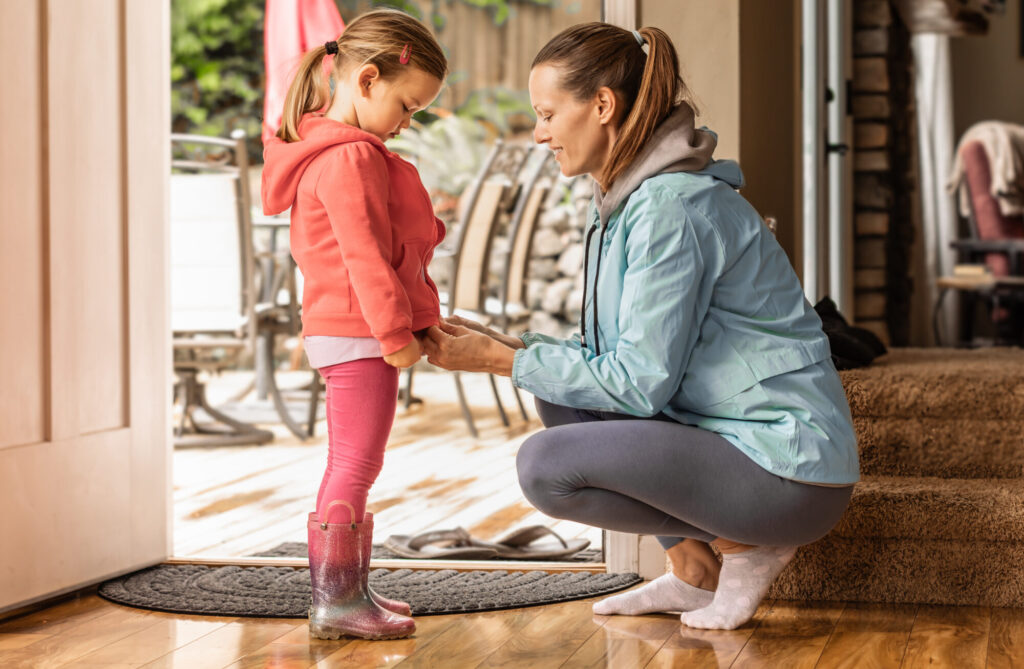
Children can respond to divorce in different ways. They may feel sad, angry, relieved, confused, or uncertain about what happens next. Give them room to express those feelings without trying to correct or immediately solve them.
Maintaining familiar routines can also provide stability. When possible, keep bedtimes, school routines, activities, and time with friends consistent. Trusted relatives, teachers, coaches, and other adults can provide additional support while family life changes.
How Do You Know When a Child Needs More Support During Divorce?
Changes in mood or behavior can happen during a divorce. Pay closer attention when those changes persist, become more severe, or interfere with your child’s daily life. Signs may include:
- Trouble sleeping or frequent nightmares
- Declining grades or avoiding school
- Withdrawing from friends or favorite activities
- Frequent physical complaints, such as headaches or stomachaches
- Returning to behaviors they had previously outgrown
- Frequently blaming themselves for the divorce
If you are concerned about how your child is coping, consider speaking with their pediatrician or a qualified mental health professional. Professional support can give children a neutral place to work through difficult emotions.

Tip 3: Talk to Your Children About Divorce Honestly
Children need information they can understand without being drawn into adult problems. Age-appropriate explanations can reduce uncertainty and reassure children about what the divorce means for their everyday lives.
Keep details about blame, finances, legal disputes, or intimate relationship issues between adults. Focus instead on what will change, what will stay the same, and what your children need to know about the weeks ahead.
How Should You Tell Your Children You’re Getting Divorced?
When it is safe and appropriate to do so, parents can make the first conversation easier by planning what they will say beforehand:
- Tell the children together if you can do so calmly and safely.
- Choose an appropriate time when they do not immediately have to leave for school, an activity, or bed.
- Explain the decision simply without blaming either parent.
- Make clear that the divorce is not their fault.
- Explain what will stay the same, such as school, activities, or relationships with important people.
- Tell them what happens next when those details are known.
- Give them opportunities to ask questions during the conversation and afterward.
Do not expect one conversation to answer everything. Children may return to the same questions as they process the divorce and adjust to changes in their family.

Tip 4: Keep Children Out of Divorce Conflict
Children should not have to choose between their parents or become involved in adult disagreements. Asking children to take sides, carry messages, or provide information about the other household can put unnecessary pressure on them.
Even when emotions run high, try to avoid:
- Using children to carry messages between parents
- Asking children to report on the other household
- Arguing about the divorce where children can hear
- Discussing financial or legal disputes with children
- Making children feel guilty for enjoying time with the other parent
North Carolina courts decide custody based on what will best promote the child’s interests and welfare. Keeping children away from adult conflict helps protect their well-being and can prevent unnecessary disputes from becoming part of a custody case.
Communication between parents matters too. Keep written exchanges focused on the children and as civil as circumstances allow, particularly because text messages can be used as evidence.

If you are concerned that the other parent is interfering with your relationship with your child, our guide to parental alienation and divorce behavior explains some of the warning signs and what parents can do next.
Tip 5: Create a Child Custody Plan That Puts Your Kids First
North Carolina courts decide child custody based on what will best promote the child’s interests and welfare. A workable custody arrangement should account for each child’s needs, including school, activities, routines, relationships, and each parent’s ability to provide appropriate care.
The right arrangement can look different from one family to another. Some parents can co-parent effectively with frequent communication and shared decision-making. Others need clearer boundaries and more structure. Our comparison of parallel parenting vs. co-parenting explains how those approaches differ.
Parents can also read more about North Carolina child custody laws when considering possible parenting arrangements.
A custody plan may also intersect with child support and relocation. A proposed move can create custody issues when it affects an existing parenting arrangement or custody order. As children’s needs and family circumstances change, parents may also have grounds to seek a custody or support modification.

What If Co-Parenting During Divorce Is Not Safe?
Co-parenting advice assumes that parents can communicate and exchange information safely. When domestic violence, substance abuse, threats, or concerns about a child’s safety are involved, a different approach may be necessary.
Depending on the circumstances, North Carolina law provides options for protecting children while custody issues are resolved. Emergency custody may be available in limited situations involving a substantial risk of bodily injury, sexual abuse, or removal from North Carolina to evade the court’s authority.
If your spouse threatens to take the children or prevent you from seeing them, getting legal guidance quickly can help you understand your options. Our guide to what to do if your spouse threatens to take the kids explains some of the first steps. A child custody lawyer can also help you determine what protections may be appropriate for your situation.

How Can You Help Your Children Cope With Divorce Over Time?
Helping children cope with divorce is an ongoing process. Consistent routines, honest communication, and keeping adult disputes away from children can provide stability as the family adjusts.
Children’s needs may also change over time. School schedules, activities, relationships, and living arrangements evolve as children grow. Parenting plans that worked immediately after separation may need to change with them.
The legal side of divorce can add another layer of uncertainty when children are involved. Understanding how custody, support, and parenting arrangements work can help you make decisions with your family’s long-term needs in mind.
Waple & Houk helps Charlotte parents navigate divorce, custody, and other family law matters. If you are preparing to separate or have questions about parenting arrangements during divorce, contact our team to discuss your situation and understand your next steps.
Get Guidance for Parenting Through Divorce
Divorce can change your family, but you do not have to make important custody and parenting decisions without guidance. Waple & Houk can help you understand your options and plan for what comes next.
Speak With A Family Law AttorneyWorkers’ Compensation
And Family Lawyers
Providing
Strength In A
Time of Crisis
Call US now:
Our Success
Case Results
$80,000
Elbow Injury
$350,000
Arm Injury






Related Posts


reviews
What Real Clients Have To Say
Melissa S.

Lou and his team did an outstanding job on my case. They kept me updated constantly. There were times when I was so overwhelmed-the encouragement I received from the firm is the BEST I’ve received from any law firm in the past. I HIGHLY recommend Lou and his team.
Tim J.
Great attorney helped the most at a important time.
Aimee B.
Lou and his team worked quickly to ensure that my husband received the care and physical therapy he needed after a pretty serious work injury. They handled every phone call and question with the insurance adjuster, we didn’t have to fight with anyone to get anything that was expected or promised. They communicated with us every step of the way, and they were especially responsive and helpful when my husband’s case required more than anyone had anticipated. Every person we have spoken with in Lou’s office were patient and respectful, we never felt like we...
Lucas J.
Very good people to work with! I highly recommend this law firm.
Dustin M.
I have never had a more pleasant experience with an attorney and their paralegals in my life!!! Hands down the best law firm in North Carolina, probably the whole country! Would definitely recommend them to anyone needing counsel. They are all so easy to get along with and friendly.... My employer lied, as many do in this situation but Lou and his team were quick to step in and get me the compensation I deserved! Thank you, from my whole family. Waple and Houk are #1
Darrin R.
Mr. Lou is by far the most compassionate attorney I’ve encountered and once again he helped me with a worker’s compensation claim and his paralegal was also great. Mr.Lou is very professional and he allows you room for your concerns and opinions, he’s just a great human being that doesn’t need to advertise his partnership law firm on tv just ask any of his past clients and they would totally agree with me, God forbid that I’m in a serious car accident but if I am he’s just a phone call away so if you...
Travis B.
Mr. Waple did a fantastic job on my case, even if I wasn't a lot of help he still came through and for that I thank you Mr. Waple.
Tara D.
I was at a point of despair & thought that my then employer would do the right thing. Lou’s honesty, and integrity; along with his guidance gave me the dose of reality that I needed to see the true colors of legality in corporate America. Without his savvy I would have been blindsided! Cherie, always responded to all of my responses, and nervous reactions and made sure Lou was aware of what was happening! Great firm, I would highly recommend to anyone who wants respect, honesty and guidance as a client!
Aunyette S.
Mr.Waple has handled both of my cases very well. I definitely recommend this team of professional lawyers and secretaries. Thank you!
Tashaun H.
My experience working with Lou was an absolute joy. From our very first conversation, he assured me that he would work relentlessly to help me secure adequate compensation for my case and he did just that. His paralegal, Cheri, was helpful with timely responses to any and all questions I had and she helped reduce the stress of a very tedious process. I highly recommend this firm for any future litigation and would love to work with them again if the opportunity arises.