Serving All North Carolina
(704) 954-8697
Can You Get Workers’ Comp and SSDI at the Same Time?
Connect With Us
13Sep
Yes. You can receive workers’ compensation and Social Security Disability Insurance (SSDI) at the same time. However, receiving both can reduce the amount of SSDI you receive.
That interaction becomes especially important for workers with serious injuries that keep them out of work for an extended period. A workers’ comp settlement can also affect Social Security benefits if the two claims are not considered together.
At Waple & Houk, PLLC, our Charlotte workers’ compensation lawyers help injured workers understand how decisions in their workers’ comp cases may affect other benefits. Knowing where the two systems overlap can help you avoid unexpected financial consequences.

Workers’ Comp and SSDI Are Separate Systems
Workers’ compensation and SSDI are separate benefit programs. Each has its own eligibility requirements, decision-makers, and rules. Approval or denial of one does not automatically determine the other.
North Carolina workers’ compensation covers qualifying injuries and illnesses related to employment. Benefits can include medical treatment and partial wage replacement. The North Carolina Industrial Commission oversees the state’s workers’ compensation system.
SSDI is a federal program administered by the Social Security Administration. It provides benefits to qualifying people whose medical conditions prevent substantial work and are expected to last at least one year or result in death. Eligibility also depends on having sufficient work history under Social Security.
As of early 2026, SSA reports that disabled workers received an average SSDI benefit of about $1,633 per month. The amount an individual receives can differ significantly.

Can Workers’ Comp Be Approved if SSDI Is Denied?
Yes. A worker can qualify for workers’ compensation without qualifying for SSDI, or qualify for SSDI while a workers’ comp claim is denied.
The reason is that the programs answer different questions. Workers’ compensation generally focuses on whether an injury or illness is connected to employment. SSDI focuses on whether a qualifying medical condition prevents substantial work.
For example:
- A worker may receive workers’ comp but not SSDI if the injury prevents their regular job but still allows other work.
- A worker may receive SSDI but not workers’ comp if the disabling condition is unrelated to employment.
- A worker with a severe work-related disability may qualify for both programs.
These differences are important when considering disability benefits and workers’ compensation, particularly when a serious injury may keep someone out of the workforce long-term.
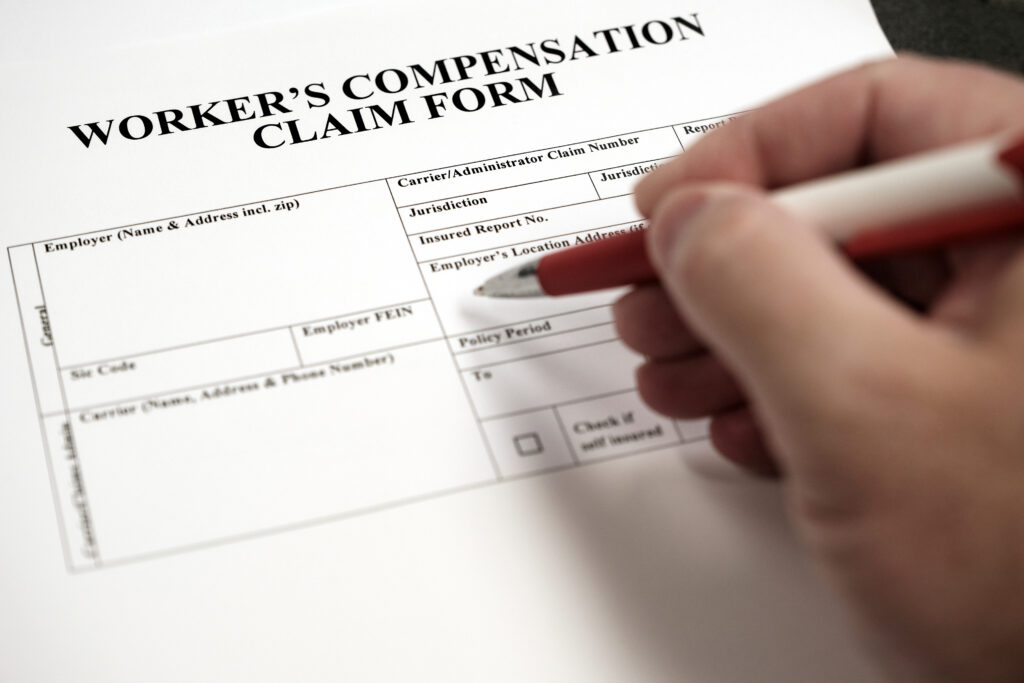
Receiving Workers’ Comp and SSDI at the Same Time
North Carolina workers can receive workers’ compensation and SSDI at the same time. However, receiving both does not necessarily mean you receive the full amount available under each program.
Social Security may reduce SSDI when workers’ compensation and disability benefits overlap. This is known as the workers’ compensation offset. The reduction generally affects SSDI rather than the workers’ comp payment. In some cases, benefits paid to family members on the worker’s Social Security record can also be affected.
Workers receiving benefits from both programs should understand how workers’ comp and disability benefits can overlap before making decisions about either claim.
How Does Workers’ Comp Affect SSDI Benefits?
Social Security generally limits combined workers’ compensation and SSDI benefits to 80 percent of a worker’s average earnings before the disability. When combined benefits exceed that limit, Social Security may reduce the SSDI payment.
For example, a worker whose combined benefits exceed the applicable Social Security limit could receive a smaller SSDI check while workers’ compensation continues. The exact reduction depends on factors including the worker’s earnings history and benefit amounts.
This is where the interaction between the two systems becomes important. A worker’s average weekly wage helps determine workers’ compensation payments, while Social Security uses its own earnings calculations when determining whether an offset applies.

How Long Does the Workers’ Comp SSDI Offset Last?
The offset is not necessarily permanent. Social Security generally stops applying it when workers’ compensation ends or the worker reaches full retirement age, whichever occurs first.
Changes in workers’ compensation payments can also affect the Social Security calculation. Workers receiving both benefits should report those changes to SSA and understand how a change in one claim may affect the other.
How Can a Workers’ Comp Settlement Affect SSDI?
A North Carolina workers’ compensation settlement can affect SSDI even when benefits are paid as a lump sum. Social Security may treat the settlement as payments spread over a period of time when determining whether an offset applies.
The terms of the settlement can matter. SSA considers how workers’ compensation payments are allocated when calculating an offset. As a result, two workers receiving similar settlement amounts may not necessarily experience the same effect on their SSDI benefits.
This is an important issue to address before a workers’ compensation settlement is finalized. Once an agreement has been approved, changing its terms to address an unexpected Social Security consequence may be difficult.
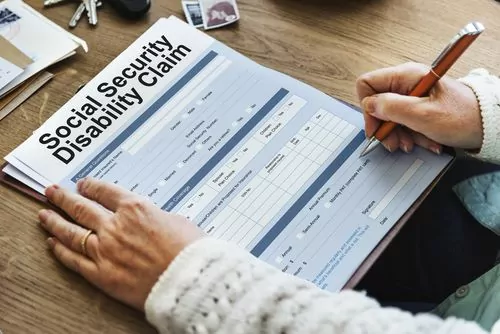
Does Every Part of a Workers’ Comp Settlement Count Toward the SSDI Offset?
Not necessarily. Social Security rules allow certain expenses associated with a workers’ compensation claim to be excluded when calculating the offset. Depending on the case, these may include certain legal fees, medical expenses, and related claim costs.
How those amounts are identified in the settlement documents can matter. Workers who already receive SSDI or expect to apply should make sure that issue is considered when evaluating a settlement.
The potential effect on other benefits is one reason to consider more than the settlement amount when evaluating a workers’ compensation settlement. Attorney fees can also affect the calculation, making it important to understand workers’ compensation attorney fees in North Carolina.
How Do Medicare and SSDI Affect a Workers’ Comp Settlement?
Medicare can add another consideration for workers receiving SSDI. Many SSDI recipients eventually become eligible for Medicare, and a workers’ compensation settlement involving future medical expenses may need to account for Medicare’s interests.
In some cases, that involves a Workers’ Compensation Medicare Set-Aside Arrangement, or WCMSA. A set-aside allocates part of a settlement for future medical expenses related to the work injury that Medicare would otherwise cover.
Not every settlement requires the same approach. Medicare status, anticipated eligibility, settlement amount, and future medical needs can all affect what should be considered. These issues are best addressed before the settlement is finalized rather than after questions about Medicare coverage arise.

Why Workers’ Comp and SSDI Benefits Need to Be Coordinated
Workers’ compensation decisions can have consequences beyond the workers’ comp claim itself. That is especially true when an injured worker receives SSDI, has applied for it, or may soon become eligible for Medicare.
Before resolving a workers’ compensation claim, your attorney should know about any SSDI benefits or pending disability application. Changes in workers’ comp payments should also be reported to Social Security, and settlement documents should be preserved in case SSA requests them.
Settlement discussions often occur around maximum medical improvement, when the long-term effects of an injury become clearer. The potential value of a claim depends on much more than an average workers’ compensation settlement, particularly when other disability or medical benefits are involved.
Waple & Houk, PLLC helps injured workers consider how a workers’ compensation settlement fits into the broader financial picture before an agreement becomes final.

When to Talk to a Lawyer About Workers’ Comp and SSDI
A serious work injury can affect more than your ability to return to your old job. For some workers, workers’ compensation and SSDI become important sources of income during a long-term or permanent disability.
The challenge is that decisions involving one benefit can affect the other. This becomes especially important when you are considering a workers’ comp settlement, applying for SSDI, or receiving Medicare. Addressing those issues before a claim is resolved can help prevent unexpected consequences later.
Waple & Houk, PLLC helps injured workers in Charlotte understand how workers’ compensation decisions may affect other disability benefits. If you receive SSDI, have applied for it, or are considering a workers’ comp settlement, our workers’ compensation lawyers can help you understand what needs to be considered before you move forward.
Make Sure Your Benefits Work Together
Workers' comp and SSDI can affect each other, especially when a settlement is involved. Waple & Houk can help you understand the impact before you make important decisions.
Schedule Your ConsultationWorkers’ Compensation
And Family Lawyers
Providing
Strength In A
Time of Crisis
Call US now:
Our Success
Case Results
$80,000
Elbow Injury
$350,000
Arm Injury






Related Posts


reviews
What Real Clients Have To Say
Melissa S.

Lou and his team did an outstanding job on my case. They kept me updated constantly. There were times when I was so overwhelmed-the encouragement I received from the firm is the BEST I’ve received from any law firm in the past. I HIGHLY recommend Lou and his team.
Tim J.
Great attorney helped the most at a important time.
Aimee B.
Lou and his team worked quickly to ensure that my husband received the care and physical therapy he needed after a pretty serious work injury. They handled every phone call and question with the insurance adjuster, we didn’t have to fight with anyone to get anything that was expected or promised. They communicated with us every step of the way, and they were especially responsive and helpful when my husband’s case required more than anyone had anticipated. Every person we have spoken with in Lou’s office were patient and respectful, we never felt like we...
Lucas J.
Very good people to work with! I highly recommend this law firm.
Dustin M.
I have never had a more pleasant experience with an attorney and their paralegals in my life!!! Hands down the best law firm in North Carolina, probably the whole country! Would definitely recommend them to anyone needing counsel. They are all so easy to get along with and friendly.... My employer lied, as many do in this situation but Lou and his team were quick to step in and get me the compensation I deserved! Thank you, from my whole family. Waple and Houk are #1
Darrin R.
Mr. Lou is by far the most compassionate attorney I’ve encountered and once again he helped me with a worker’s compensation claim and his paralegal was also great. Mr.Lou is very professional and he allows you room for your concerns and opinions, he’s just a great human being that doesn’t need to advertise his partnership law firm on tv just ask any of his past clients and they would totally agree with me, God forbid that I’m in a serious car accident but if I am he’s just a phone call away so if you...
Travis B.
Mr. Waple did a fantastic job on my case, even if I wasn't a lot of help he still came through and for that I thank you Mr. Waple.
Tara D.
I was at a point of despair & thought that my then employer would do the right thing. Lou’s honesty, and integrity; along with his guidance gave me the dose of reality that I needed to see the true colors of legality in corporate America. Without his savvy I would have been blindsided! Cherie, always responded to all of my responses, and nervous reactions and made sure Lou was aware of what was happening! Great firm, I would highly recommend to anyone who wants respect, honesty and guidance as a client!
Aunyette S.
Mr.Waple has handled both of my cases very well. I definitely recommend this team of professional lawyers and secretaries. Thank you!
Tashaun H.
My experience working with Lou was an absolute joy. From our very first conversation, he assured me that he would work relentlessly to help me secure adequate compensation for my case and he did just that. His paralegal, Cheri, was helpful with timely responses to any and all questions I had and she helped reduce the stress of a very tedious process. I highly recommend this firm for any future litigation and would love to work with them again if the opportunity arises.