Serving All North Carolina
(704) 954-8697
How Surveillance Evidence Is Used in NC Workers’ Comp Cases
Connect With Us
30Mar
In some North Carolina workers’ comp cases, insurance companies use surveillance as part of their investigation, particularly if there are questions about how serious an injury is or whether a claim is valid. This can include observing your activity in public or reviewing information that may seem inconsistent with your reported condition.
For many people, the idea of being watched can feel uncomfortable or even intrusive. However, understanding how the investigation process works and how surveillance may affect your case can help you avoid simple mistakes and better protect your rights throughout the claims process.
How Workers’ Comp Surveillance Works in North Carolina

Surveillance evidence in workers’ compensation cases typically involves video or photographic monitoring of a claimant’s activities. As part of surveillance, insurance companies may hire a private investigator to observe individuals in public places and determine whether their actions align with reported injuries.
While this may sound invasive, there are legal limits. Surveillance must generally occur in public spaces where there is no reasonable expectation of privacy. People often ask if surveillance is legal, and the answer is yes, but only within strict boundaries. Investigators cannot legally record you inside your home or other private areas without permission under surveillance laws.
The purpose of insurance surveillance is to gather evidence that may support or challenge a claim. For example, if someone reports a serious back injury but is recorded lifting heavy objects, that footage could be used to question the claim.
How Surveillance Can Impact Your Workers’ Comp Claim
Surveillance evidence can significantly influence the outcome of a Charlotte workers’ compensation case. Understanding how surveillance affects workers’ comp cases is important, as even short video clips may be used to argue that an injury is not as severe as reported.
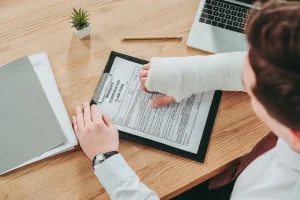
In some situations, this type of evidence is used to question your credibility or suggest that your limitations are inconsistent with your daily activities. This can create additional challenges, especially if the footage is taken out of context.
A brief moment of activity may not reflect ongoing pain, recovery limitations, or the effort it took to complete a task. Despite this, insurance companies may present such evidence in a way that supports their position.
For claimants, this means that everyday activities, even those done carefully or occasionally, could be scrutinized during an ongoing workers’ comp claim. Being aware of this can help you make more informed decisions throughout the process.
Common Examples of Workers’ Comp Surveillance
Surveillance During Routine Activities
An investigator may follow you while you run errands, attend appointments, or spend time outside your home. These observations typically take place in public settings and may include documenting activities like carrying groceries, driving, or walking without assistance.
Social Media Monitoring

In addition to physical surveillance, insurers may review social media profiles. Photos, videos, or posts that appear inconsistent with your reported injury could be used as evidence, even if they were shared casually or taken out of context.
Surveillance After Disputes Arise
Surveillance is more likely if your claim is contested or if there are discrepancies in medical reports. It may also occur during a fraud investigation or while you are receiving ongoing benefits, as insurers may look for reasons to reevaluate your claim.
Video Used in Hearings
If a case goes before the North Carolina Industrial Commission, video surveillance footage may be introduced as evidence. It can be used to support arguments about your physical abilities, activity level, or overall credibility in relation to your claim.
Key Challenges With Surveillance Evidence
One of the biggest challenges with surveillance evidence is a lack of context. Insurance companies may highlight certain actions while leaving out important details, which can create a misleading impression about your physical abilities or overall condition.
Another concern is that individuals are unaware they are being observed. Because surveillance often happens without notice and in public settings, people may act naturally without realizing their actions could later be reviewed and questioned in a legal setting.
How to Protect Yourself If You Are Being Monitored

If you are wondering whether workers’ comp can monitor your activity, the answer is that surveillance is possible in some cases. Taking a few practical steps can help you avoid unnecessary issues and better protect your claim.
Be consistent when discussing your injuries with medical providers, your employer, and insurance representatives. Any inconsistencies, even small ones, may raise concerns or lead to further investigation.
Follow your doctor’s recommendations closely. If you have been given activity restrictions, it is important to stick to them. Even occasional actions outside those guidelines can be misunderstood if captured on video.
It is also important to be mindful of your public activities and online presence. While you do not need to avoid normal daily life, staying aware of how your actions appear to others can help prevent situations from being taken out of context.
How a Workers’ Comp Attorney Can Help
An experienced Charlotte workers’ compensation attorney can be a crucial ally if surveillance evidence becomes part of your case. Legal professionals understand how this type of evidence is gathered, how it can be interpreted, and the best ways to challenge or contextualize it.
A skilled lawyer can review surveillance footage to identify inconsistencies, missing context, or improper use. They can help ensure that evidence is presented fairly and that your rights are fully protected throughout the claims process.
Beyond reviewing footage, a lawyer can guide you on how to respond to insurance inquiries, communicate consistently with medical providers, and maintain documentation that supports your claim. If you are concerned about how surveillance may affect your case, consulting with a workers’ compensation lawyer can provide clarity, peace of mind, and guidance tailored to your situation.
Frequently Asked Questions About Workers’ Comp Surveillance
Is surveillance legal in workers’ compensation cases?
Yes. In North Carolina, surveillance is generally legal when conducted in public areas where there is no reasonable expectation of privacy. Insurance companies must follow strict legal guidelines and cannot record you in private spaces without permission.
Can they record me inside my home?
No. Recording inside your home without consent is typically not allowed due to privacy protections. Surveillance is limited to public areas where your actions can legally be observed.
How is surveillance evidence used in a workers’ comp case?
Surveillance footage can be used to assess the severity of your injury or verify statements about your physical limitations. Even short clips may influence how an insurer evaluates your claim, but they are usually considered alongside medical records and other supporting evidence.
Can social media activity affect my claim?
Yes. Insurance companies may review public social media posts, photos, or videos. Content that appears inconsistent with your reported injuries or restrictions could be used as evidence in your case.
What should I do if I think I am being watched?
Stay consistent with your doctors’ recommendations and activity restrictions. Avoid changing your normal behavior out of fear, as it may appear suspicious. Consulting with an attorney can help you understand your rights and navigate any concerns about surveillance.
Can surveillance alone deny my workers’ comp claim?
No. Surveillance may contribute to the insurer’s decision, but it is generally considered alongside medical documentation, witness statements, and other evidence. Proper legal guidance can help ensure it is evaluated fairly.
Workers’ Compensation
And Family Lawyers
Providing
Strength In A
Time of Crisis
Call US now:
Our Success
Case Results
$80,000
Elbow Injury
$350,000
Arm Injury
Related Posts


30Mar 2026
reviews
What Real Clients Have To Say
Melissa S.

Lou and his team did an outstanding job on my case. They kept me updated constantly. There were times when I was so overwhelmed-the encouragement I received from the firm is the BEST I’ve received from any law firm in the past. I HIGHLY recommend Lou and his team.
Tim J.
Great attorney helped the most at a important time.
Aimee B.
Lou and his team worked quickly to ensure that my husband received the care and physical therapy he needed after a pretty serious work injury. They handled every phone call and question with the insurance adjuster, we didn’t have to fight with anyone to get anything that was expected or promised. They communicated with us every step of the way, and they were especially responsive and helpful when my husband’s case required more than anyone had anticipated. Every person we have spoken with in Lou’s office were patient and respectful, we never felt like we...
Lucas J.
Very good people to work with! I highly recommend this law firm.
Dustin M.
I have never had a more pleasant experience with an attorney and their paralegals in my life!!! Hands down the best law firm in North Carolina, probably the whole country! Would definitely recommend them to anyone needing counsel. They are all so easy to get along with and friendly.... My employer lied, as many do in this situation but Lou and his team were quick to step in and get me the compensation I deserved! Thank you, from my whole family. Waple and Houk are #1
Darrin R.
Mr. Lou is by far the most compassionate attorney I’ve encountered and once again he helped me with a worker’s compensation claim and his paralegal was also great. Mr.Lou is very professional and he allows you room for your concerns and opinions, he’s just a great human being that doesn’t need to advertise his partnership law firm on tv just ask any of his past clients and they would totally agree with me, God forbid that I’m in a serious car accident but if I am he’s just a phone call away so if you...
Travis B.
Mr. Waple did a fantastic job on my case, even if I wasn't a lot of help he still came through and for that I thank you Mr. Waple.
Tara D.
I was at a point of despair & thought that my then employer would do the right thing. Lou’s honesty, and integrity; along with his guidance gave me the dose of reality that I needed to see the true colors of legality in corporate America. Without his savvy I would have been blindsided! Cherie, always responded to all of my responses, and nervous reactions and made sure Lou was aware of what was happening! Great firm, I would highly recommend to anyone who wants respect, honesty and guidance as a client!
Aunyette S.
Mr.Waple has handled both of my cases very well. I definitely recommend this team of professional lawyers and secretaries. Thank you!
Tashaun H.
My experience working with Lou was an absolute joy. From our very first conversation, he assured me that he would work relentlessly to help me secure adequate compensation for my case and he did just that. His paralegal, Cheri, was helpful with timely responses to any and all questions I had and she helped reduce the stress of a very tedious process. I highly recommend this firm for any future litigation and would love to work with them again if the opportunity arises.

Request a Consultation
We Are Here For You

NUVEW | Copyright 2026 All Rights Reserved | Accessibility Notice | Privacy Policy
Attorney Advertising. This information is designed for general information only. The information presented should not be construed to be formal legal advice nor the formation of a lawyer/client relationship. Past results and testimonials are not a guarantee, warranty, or prediction of the outcome of your case, and should not be construed as such. Past results cannot guarantee future performance. Any result in a single case is not meant to create an expectation of similar results in future matters because each case involves many different factors, therefore, results will differ on a case-by-case basis. By providing contact information, users acknowledge and give explicit consent to be contacted via the methods of communication provided, including SMS. Message and data rates may apply. Message frequency may vary. Reply STOP to opt out.