Serving All North Carolina
(704) 954-8697
Practice Area Topic Archives:
Looking For A Specific Post? Search Below.

24Aug 2026
What Happens at NC Workers’ Comp Mediation?
Workers' compensation mediation is confidential, which allows both sides to discuss possible resolutions without treating settlement negotiations the same way as evidence presented at a hearing. Offers made during mediation generally cannot be introduced later simply to show what one side was willing to accept…

23Aug 2026
When Does Workers’ Comp Cover an Assault at Work?
Being attacked at work, whether by a customer, a stranger, or a coworker, leaves injuries that go beyond whatever shows up on an X-ray or a medical chart. The physical harm is often the more straightforward part. The fear of returning to the same building,…
22Aug 2026
What to Expect at the NC Industrial Commission
Hearing that a disputed claim is "going to the Industrial Commission" can make it sound like the case is immediately headed for a courtroom. In reality, disputed North Carolina workers' compensation claims generally move through several stages, including mediation, before a formal hearing takes place.…

21Aug 2026
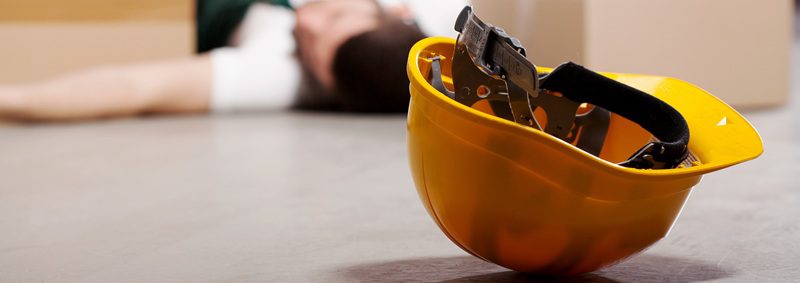
Crush Injuries at Work: What You Should Know
A worker pulled from under a pallet jack or a piece of shifted machinery can sometimes stand up, talk normally, and seem largely fine in the first hour after the accident. That impression can be dangerously misleading. Crush injuries are notorious for looking milder in…
20Aug 2026
What Happens After an Amputation Injury on the Job?
Losing a finger, hand, or limb changes daily life immediately, long before any paperwork gets filed. Getting dressed, driving, holding a child, or doing the job that provided a paycheck the day before can all become difficult or impossible overnight. The physical healing is only…
19Aug 2026
How Workers’ Compensation Applies to Workplace Chemical Exposure
Two workers exposed to the same industrial solvent can end up filing completely different types of claims. One might suffer a single bad afternoon, a spill, a ventilation failure, an obvious acute reaction, and file an injury claim within days. The other might work around…