Serving All North Carolina
(704) 954-8697
What Workers’ Comp Covers After a Traumatic Brain Injury on the Job
Connect With Us
05Jul
A blow to the head that looks minor in the moment can turn into months of headaches, memory gaps, and trouble concentrating. Those symptoms often show up days later. That delay is part of what makes a brain injury different from most other workplace claims. The paperwork gets filed while the full extent of the injury is still unknown.
Workers’ compensation claims involving traumatic brain injuries range from a same-day emergency room visit to years of neurological care, cognitive rehabilitation, and ongoing disability benefits. The outcome of these claims often depends on how the injury is diagnosed, documented, and monitored over time. That is where a surprising number of these claims run into trouble. Because these cases often involve complex medical evidence and long-term treatment, working with a Charlotte workers’ compensation lawyer early in the process can help protect your claim from avoidable disputes.

How North Carolina Classifies a Brain Injury
Unlike a repetitive strain injury that develops slowly, a traumatic brain injury at work almost always traces back to a specific incident. A fall from a ladder, a piece of equipment striking the head, a vehicle collision during a work errand. That identifiable event often makes it easier to establish that the injury arose out of the course of employment. North Carolina’s workers’ compensation system was built around accidents with a clear date and cause.
TBIs exist on a spectrum. A concussion is technically called a “mild traumatic brain injury”, even though the word “concussion” sounds less serious than “brain injury” to most people. Moderate and severe TBIs, involving loss of consciousness or lasting neurological damage, sit at the other end. Where an injury falls on that spectrum affects both the medical treatment involved and how much the claim is ultimately worth.
Medical Benefits for Workers’ Comp Brain Injury Claims

North Carolina law requires the insurer to cover reasonable and necessary treatment connected to the injury. Workers’ compensation for head injuries typically includes the following.
- Emergency treatment and diagnostic imaging, such as CT scans or MRIs, at the time of the injury
- Neurological evaluation and ongoing specialist care as symptoms are monitored
- Cognitive and speech rehabilitation for workers dealing with memory, focus, or communication difficulties
- Physical therapy for any accompanying balance, coordination, or motor function issues
- Mental health treatment when the injury contributes to anxiety, depression, personality changes, or other psychological symptoms that commonly follow a traumatic brain injury
A normal CT scan does not mean nothing is wrong. Standard imaging is built to catch bleeding, swelling, and fractures. It is not designed to detect the kind of diffuse cellular damage behind many of the memory and concentration problems tied to a mild TBI. Insurers sometimes point to a clean scan as evidence the injury was not serious. In reality, neuropsychological testing, not a CT scan, is what actually measures the functional impact of a concussion.
Wage Replacement and Long-Term Disability Benefits
Beyond medical treatment, workers’ comp benefits for brain injury claims typically include wage replacement while the worker cannot perform their job. Temporary total disability pays two-thirds of average weekly wage during that period. If the worker returns at reduced hours or capacity, temporary partial disability can supplement the difference.
Brain injuries often highlight the long-term benefits available through North Carolina’s workers’ compensation system. Cognitive deficits, personality changes, and processing speed problems can prevent someone from returning to their previous role even after physical healing is complete. In those cases, permanent disability benefits and vocational rehabilitation become part of the claim. In more severe cases, a worker may never return to their prior occupation at all.
Why Traumatic Brain Injury Claims Get Disputed
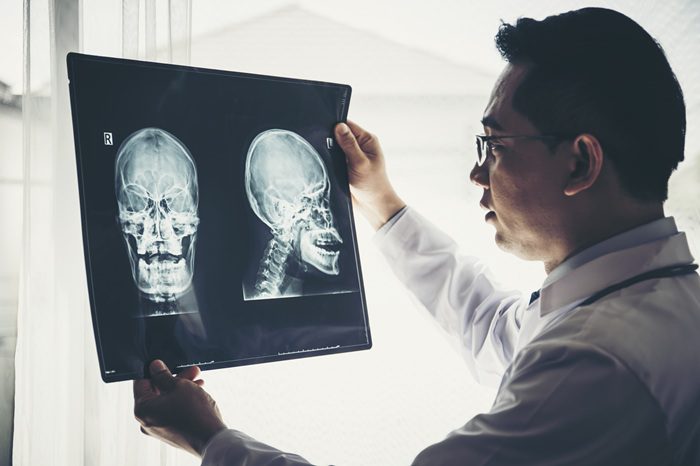
National data on serious workers’ compensation claims shows traumatic brain injuries make up a disproportionate share of the largest cases. TBIs account for roughly 17 percent of claims between three and five million dollars. They make up closer to 30 percent of claims above ten million dollars, according to research from the National Council on Compensation Insurance. Because these claims often involve significant medical costs and long-term disability, insurers frequently examine them more closely than many other workplace injury claims.
Insurers dispute these claims in a few predictable ways.
Disputing the Severity
Symptoms like memory loss, fatigue, and mood changes are self-reported rather than visible on a scan. Because of that, adjusters sometimes argue a worker is exaggerating, or that the symptoms stem from something other than the injury. Neuropsychological testing and consistent documentation from treating physicians are what typically overcome this argument.
Fighting Over Maximum Medical Improvement
Brain injuries often plateau unevenly. A worker might recover physical function quickly while cognitive symptoms linger much longer. Insurers sometimes push to declare maximum medical improvement based on physical recovery alone. That timing can cut off benefits before the cognitive side of the injury has actually stabilized. If a workers’ compensation dispute arises over timing, medical records that track cognitive symptoms specifically, not just physical ones, carry real weight.
Getting the Right Documentation From the Start
Traumatic brain injuries are often under-documented during the first few days after an accident. The injured worker is often the person least equipped to notice their own symptoms. Confusion and memory problems can make it hard to accurately describe what changed.

- Get emergency evaluation immediately, even if symptoms seem mild or you feel capable of finishing your shift
- Have a coworker, supervisor, or family member document what they observed, since they may notice changes the injured worker cannot
- Follow up with a neurologist even if the emergency room clears you, particularly if headaches, memory issues, or mood changes appear over the following days
- Keep a simple log of cognitive symptoms, not just physical ones, since these are often what insurers dispute later
Falls remain one of the leading causes of workplace traumatic brain injuries, particularly in construction and other industries involving work at height. While hard hats reduce the risk of serious head injuries, they cannot prevent every concussion or traumatic brain injury. Any head impact followed by headaches, dizziness, confusion, or memory problems should be evaluated promptly, even if the symptoms initially seem minor.
What to Do After a Workplace Brain Injury
Traumatic brain injuries often evolve over days or even weeks, making early medical documentation especially important. Consistent treatment, neurological follow-up, and records showing how the injury affects your daily activities can all strengthen a workers’ compensation claim if questions arise later.
If a workplace brain injury is affecting your ability to work or your quality of life, speaking with a Charlotte workers’ compensation attorney before accepting an insurance company’s decision or settlement offer can help you understand your rights and protect your claim.
Workers’ Compensation
And Family Lawyers
Providing
Strength In A
Time of Crisis
Call US now:
Our Success
Case Results
$80,000
Elbow Injury
$350,000
Arm Injury






Related Posts


reviews
What Real Clients Have To Say
Melissa S.

Lou and his team did an outstanding job on my case. They kept me updated constantly. There were times when I was so overwhelmed-the encouragement I received from the firm is the BEST I’ve received from any law firm in the past. I HIGHLY recommend Lou and his team.
Tim J.
Great attorney helped the most at a important time.
Aimee B.
Lou and his team worked quickly to ensure that my husband received the care and physical therapy he needed after a pretty serious work injury. They handled every phone call and question with the insurance adjuster, we didn’t have to fight with anyone to get anything that was expected or promised. They communicated with us every step of the way, and they were especially responsive and helpful when my husband’s case required more than anyone had anticipated. Every person we have spoken with in Lou’s office were patient and respectful, we never felt like we...
Lucas J.
Very good people to work with! I highly recommend this law firm.
Dustin M.
I have never had a more pleasant experience with an attorney and their paralegals in my life!!! Hands down the best law firm in North Carolina, probably the whole country! Would definitely recommend them to anyone needing counsel. They are all so easy to get along with and friendly.... My employer lied, as many do in this situation but Lou and his team were quick to step in and get me the compensation I deserved! Thank you, from my whole family. Waple and Houk are #1
Darrin R.
Mr. Lou is by far the most compassionate attorney I’ve encountered and once again he helped me with a worker’s compensation claim and his paralegal was also great. Mr.Lou is very professional and he allows you room for your concerns and opinions, he’s just a great human being that doesn’t need to advertise his partnership law firm on tv just ask any of his past clients and they would totally agree with me, God forbid that I’m in a serious car accident but if I am he’s just a phone call away so if you...
Travis B.
Mr. Waple did a fantastic job on my case, even if I wasn't a lot of help he still came through and for that I thank you Mr. Waple.
Tara D.
I was at a point of despair & thought that my then employer would do the right thing. Lou’s honesty, and integrity; along with his guidance gave me the dose of reality that I needed to see the true colors of legality in corporate America. Without his savvy I would have been blindsided! Cherie, always responded to all of my responses, and nervous reactions and made sure Lou was aware of what was happening! Great firm, I would highly recommend to anyone who wants respect, honesty and guidance as a client!
Aunyette S.
Mr.Waple has handled both of my cases very well. I definitely recommend this team of professional lawyers and secretaries. Thank you!
Tashaun H.
My experience working with Lou was an absolute joy. From our very first conversation, he assured me that he would work relentlessly to help me secure adequate compensation for my case and he did just that. His paralegal, Cheri, was helpful with timely responses to any and all questions I had and she helped reduce the stress of a very tedious process. I highly recommend this firm for any future litigation and would love to work with them again if the opportunity arises.