
Serving All North Carolina
(704) 954-8697
Delivery Drivers
Wife Secures Fair Share of Business in Divorce
Divorce
Divorce Client Successfully Avoids Court
Divorce
Client secures joint custody, ensuring continued parental connection
Child Custody
Client secures fair division, safeguarding post-divorce financial stability
Asset Division
Client navigates adoption hurdles smoothly with attorney's guidance
Adoption
Client secures substantial post-divorce support for financial stability
Spousal Support
A divorcing couple negotiated fair alimony for a smoother transition post-divorce
Alimony
Grandparents secured visitation, preserving family ties with grandchildren
Visitation
Client secures court orders, prioritizing children's well-being
Parental Alienation
Attorney-guided mediation resolves couple's property dispute
Mediation
Charlotte Workers Compensation Lawyer for Delivery Drivers
If you are a delivery driver in Charlotte and you got hurt on the job, you are probably suddenly dealing with more than pain. You may be worried about missing paychecks, how you will pay for medical bills, whether your employer will blame you, and what happens if the insurance company denies your workers’ comp case. You may also be wondering whether you have any options beyond North Carolina workers’ compensation if another driver caused a crash while you were working, such as a delivery truck accident involving other drivers.
As an injured delivery driver, you are most likely worried about:
- Medical Expenses & Medical Treatment: Getting medical attention approved, keeping your job, and replacing income while you recover.
- Frustration with Insurance Adjusters: Adjusters pushing back on insurance claims, delays, paperwork, and questions about whether the injury happened during your assigned job duties.
What you need most: A clear plan, answers about deadlines and eligibility, and protection from tactics used to minimize or deny a workers’ comp claim.
You may have options, there are strict time limits, and you do not have to handle employer disputes alone, especially when insurers try to shift blame in workers’ compensation law cases.
Delivery Driver Work-Related Injuries

Delivery drivers face unique occupational hazards that distinguish their work from traditional office environments. From navigating heavy traffic to handling packages in adverse weather conditions, these essential workers encounter daily risks that can lead to serious injuries. At Waple & Houk, PLLC, we understand the complex challenges delivery drivers face and provide the comprehensive legal guidance needed to pursue the benefits available under workers’ compensation law when injuries occur on the job.
Understanding the Risks of Delivery Work
Delivery drivers operate in a demanding environment that combines the dangers of driving with physical labor requirements. Time pressures to meet delivery quotas often force drivers to work quickly, sometimes compromising safety protocols. Weather conditions, unfamiliar neighborhoods, and aggressive dogs present additional challenges that increase the likelihood of accidents.
Common Hazards in the Delivery Industry
The repetitive nature of delivery work creates cumulative stress on the body, while the pressure to maintain tight schedules can lead to fatigue and decreased alertness. Vehicle maintenance issues, poorly marked addresses, and inadequate lighting at delivery locations further compound these occupational risks.
Motor vehicle accidents are the leading cause of injury for delivery drivers, including rear-end collisions and other crashes involving delivery truck traffic. Delivery drivers are also at risk of slip-and-fall injuries while navigating customer properties during drop-offs, and dog bites can occur when drivers approach homes to make deliveries, posing a risk of injury.
Types of Injuries Delivery Drivers Sustain
Here are the common injuries:
- Back and spinal injuries are among the most common issues affecting delivery drivers, resulting from repetitive lifting, carrying heavy packages, and prolonged periods of sitting. These injuries can range from muscle strains to herniated discs requiring extensive treatment, including care for back injuries and follow-on rehabilitation.
- Slip and fall accidents occur frequently due to wet surfaces, uneven walkways, and cluttered delivery areas. These incidents can cause broken bones, head injuries, and soft tissue damage that may require lengthy recovery periods. Common injuries for delivery drivers include broken bones from falls at loading docks and warehouses.
- Vehicle-related injuries include whiplash, traumatic brain injuries, and spinal cord damage from traffic accidents. Given the amount of time delivery drivers spend on the road, motor vehicle accidents represent a significant occupational hazard.
- Overexertion injuries develop from lifting packages beyond safe weight limits or using improper lifting techniques. These conditions often manifest as shoulder injuries, knee strains, and repetitive stress injuries like carpal tunnel syndrome.
- Animal attacks present another serious risk, particularly for drivers delivering to residential areas where aggressive dogs may not be properly restrained.
Workers’ Compensation Rights for Delivery Drivers

In Charlotte, NC, delivery drivers injured on the job are generally covered by a no-fault workers’ compensation system if they are classified as employees. Workers’ compensation is a no-fault system, meaning injured workers do not need to prove their employer was at fault to receive benefits, as long as the injury happened while performing job duties.
In North Carolina, employers with three or more employees must carry workers’ compensation insurance, which covers employees injured while performing job duties. Most employees in North Carolina are covered by their employer’s workers’ compensation insurance unless they are independent contractors, and this is often true for most injured workers in delivery roles who qualify as employees.
Your Coverage Under North Carolina Law
Workers’ compensation benefits typically include payment for medical expenses and compensation for lost wages, which is usually two-thirds of the employee’s average weekly wage. If you are injured while working as a delivery driver, you may be entitled to workers’ compensation benefits, including payment of all medical care and partial salary replacement. Workers’ compensation covers medical treatment and a portion of lost wages for work-related injuries, which can help offset costs while you pursue recovery and follow-up appointments.
In many cases, you may need to follow your employer’s designated medical treatment provider to help ensure treatment is covered, including physical therapy when prescribed. Mileage reimbursement may be available for travel expenses exceeding 20 miles to medical appointments.
Employee vs. Independent Contractor Status Can Affect Eligibility
Whether a delivery driver is classified as an employee or an independent contractor affects eligibility for workers’ compensation benefits. Drivers for companies like UPS, FedEx, and Amazon are usually classified as employees and are covered by workers’ compensation. Gig drivers for apps like DoorDash and Uber Eats are often classified as contractors, which typically excludes them from workers’ compensation coverage.
That said, North Carolina law looks at the real working relationship to determine employee status, including who controls the work, schedule, and pay. Many drivers are misclassified as contractors, and insurers may use misclassification to deny claims, but this status can be challenged. If a delivery driver is classified as a contractor, they may still challenge that classification under North Carolina law if the company controls their work.
For certain trucking arrangements, additional rules may apply. Under NCGS § 97-19.1, owner-operators lacking insurance may still receive workers’ compensation benefits if working under a motor carrier’s DOT/ICC number.
Key Deadlines and Steps After a Delivery Driver Injury
If you are injured while working as a delivery driver, report the injury to your supervisor immediately. In North Carolina, you generally must report a workplace injury to your employer within 30 days of the incident. Document everything related to your injury and the circumstances surrounding it, including where it happened, who witnessed it, and any medical records you receive after a worker’s injury.
After reporting the injury, you generally have two years to file a workers’ compensation claim after a workplace injury in North Carolina. Missing deadlines can put benefits at risk, so it is important to file a claim promptly and keep copies of documents that show how the injury results affected your ability to work.
When a Third Party Caused the Injury
In many situations, you can file both a workers’ compensation claim and a personal injury claim simultaneously if your injury occurred while performing job-related duties and was caused by a third party.
Workers’ Compensation and a Personal Injury Claim May Both Apply
Workers’ compensation helps with medical care and partial wage replacement, but it does not cover pain and suffering. In contrast, a personal injury claim may allow compensation for pain and suffering and other damages if someone outside your employment caused your injuries, which may help you obtain compensation beyond what workers’ compensation provides.
You may have grounds to pursue a third-party personal injury case if another driver caused an accident and injured you while working as a delivery driver. Delivery drivers may also pursue third-party personal injury claims if their injuries were caused by someone outside their employment, including negligent motorists, property owners, or other responsible parties. You may still have a third-party injury claim if someone else was responsible for the accident leading to your injuries, including cases where third party driver caused the crash while you were working.
Why Fault Matters More Than You Might Think in North Carolina
Legal representation is crucial because insurance companies often challenge claims and may attempt to assign partial fault to the injured party. This issue is especially important in North Carolina because the contributory negligence rule may apply to injury claims. If you are found even 1% at fault for an accident, your injury claim can be denied, even when the at-fault driver appears primarily responsible.
Having an attorney who understands how major delivery companies operate can help level the playing field against aggressive insurance departments, especially when multiple insurance carriers, driver logs, vehicle data, and reporting systems are involved. This can matter in cases involving a third-party driver and disputed liability, where insurers may scrutinize statements and timelines.
What Happens If Your Claim Is Denied
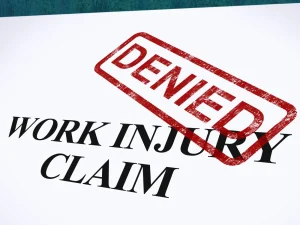
The North Carolina Industrial Commission oversees the workers’ compensation system and handles disputes between employers and employees. If a claim is denied, drivers can request a hearing with the North Carolina Industrial Commission. If your claim is denied, you have the right to appeal the decision within a specified timeframe, and it is important to respond promptly and with complete documentation, including supporting medical records and proof of ongoing care.
How Waple & Houk Assists Delivery Drivers Through Complex Claims
Filing a workers’ compensation claim requires careful attention to documentation, deadlines, and legal procedures. We assist delivery drivers by gathering essential evidence, coordinating with medical providers, and helping ensure all paperwork is filed correctly and on time, including guidance on claiming workers’ compensation benefits without missing key steps.
Injured Delivery Drivers Trust Waple & Houk
Our team handles communications with insurance carriers, addresses claim disputes, and appeals denied claims when necessary. We understand the specific challenges delivery drivers face and work to establish clear connections between your injuries and work activities. When a third party caused the incident, we can also evaluate whether you may have a separate injury claim in addition to your workers’ compensation case, including how to seek compensation when there is evidence that another party was responsible.
If you are searching for a Charlotte workers’ compensation attorney, having an experienced attorney who understands the delivery industry and the claims process can help you navigate documentation, deadlines, and insurer pushback related to insurance claims.
Secure Your Future After a Delivery Injury

Injuries sustained during work delivery can disrupt your livelihood and place a heavy burden on your family. That’s why it’s crucial to understand your rights and have a trusted legal team by your side throughout the process, including when your work injury leads to lasting limitations such as permanent impairment.
If you need help with delivery driver workers’ comp Charlotte issues, we can explain your next steps and what the law requires, including how coverage extends to injuries that occur while performing job-related tasks. Contact us today to request a confidential case review and a free consultation so you can understand your options without relying on guesswork.
reviews
What Real Clients Have To Say
Melissa S.

Lou and his team did an outstanding job on my case. They kept me updated constantly. There were times when I was so overwhelmed-the encouragement I received from the firm is the BEST I’ve received from any law firm in the past. I HIGHLY recommend Lou and his team.
Tim J.
Great attorney helped the most at a important time.
Aimee B.
Lou and his team worked quickly to ensure that my husband received the care and physical therapy he needed after a pretty serious work injury. They handled every phone call and question with the insurance adjuster, we didn’t have to fight with anyone to get anything that was expected or promised. They communicated with us every step of the way, and they were especially responsive and helpful when my husband’s case required more than anyone had anticipated. Every person we have spoken with in Lou’s office were patient and respectful, we never felt like we...
Lucas J.
Very good people to work with! I highly recommend this law firm.
Dustin M.
I have never had a more pleasant experience with an attorney and their paralegals in my life!!! Hands down the best law firm in North Carolina, probably the whole country! Would definitely recommend them to anyone needing counsel. They are all so easy to get along with and friendly.... My employer lied, as many do in this situation but Lou and his team were quick to step in and get me the compensation I deserved! Thank you, from my whole family. Waple and Houk are #1
Darrin R.
Mr. Lou is by far the most compassionate attorney I’ve encountered and once again he helped me with a worker’s compensation claim and his paralegal was also great. Mr.Lou is very professional and he allows you room for your concerns and opinions, he’s just a great human being that doesn’t need to advertise his partnership law firm on tv just ask any of his past clients and they would totally agree with me, God forbid that I’m in a serious car accident but if I am he’s just a phone call away so if you...
Travis B.
Mr. Waple did a fantastic job on my case, even if I wasn't a lot of help he still came through and for that I thank you Mr. Waple.
Tara D.
I was at a point of despair & thought that my then employer would do the right thing. Lou’s honesty, and integrity; along with his guidance gave me the dose of reality that I needed to see the true colors of legality in corporate America. Without his savvy I would have been blindsided! Cherie, always responded to all of my responses, and nervous reactions and made sure Lou was aware of what was happening! Great firm, I would highly recommend to anyone who wants respect, honesty and guidance as a client!
Aunyette S.
Mr.Waple has handled both of my cases very well. I definitely recommend this team of professional lawyers and secretaries. Thank you!
Tashaun H.
My experience working with Lou was an absolute joy. From our very first conversation, he assured me that he would work relentlessly to help me secure adequate compensation for my case and he did just that. His paralegal, Cheri, was helpful with timely responses to any and all questions I had and she helped reduce the stress of a very tedious process. I highly recommend this firm for any future litigation and would love to work with them again if the opportunity arises.

Request a Consultation
We Are Here For You

NUVEW | Copyright 2026 All Rights Reserved | Accessibility Notice | Privacy Policy
Attorney Advertising. This information is designed for general information only. The information presented should not be construed to be formal legal advice nor the formation of a lawyer/client relationship. Past results and testimonials are not a guarantee, warranty, or prediction of the outcome of your case, and should not be construed as such. Past results cannot guarantee future performance. Any result in a single case is not meant to create an expectation of similar results in future matters because each case involves many different factors, therefore, results will differ on a case-by-case basis. By providing contact information, users acknowledge and give explicit consent to be contacted via the methods of communication provided, including SMS. Message and data rates may apply. Message frequency may vary. Reply STOP to opt out.