Serving All North Carolina
(704) 954-8697
Workers’ Compensation for Charlotte Manufacturing Workers: Common Workplace Injuries
Connect With Us
18Jul
Charlotte’s manufacturing sector supports thousands of jobs across production facilities, fabrication shops, warehouses, and industrial suppliers throughout Mecklenburg County and the surrounding region. While every workplace is different, manufacturing employees often encounter many of the same types of workplace injuries and workers’ compensation issues. This article looks at those industry-wide risks.
Workers’ compensation claims involving manufacturing employees in the Charlotte region reflect the nature of industrial work across a wide range of employers. Heavy machinery, chemical exposure, and physical demands look different from an office injury or even a typical construction accident. Because manufacturing injuries often involve complex medical issues and questions about how the accident occurred, speaking with a Charlotte workers’ compensation lawyer early can help protect your claim and preserve important evidence.
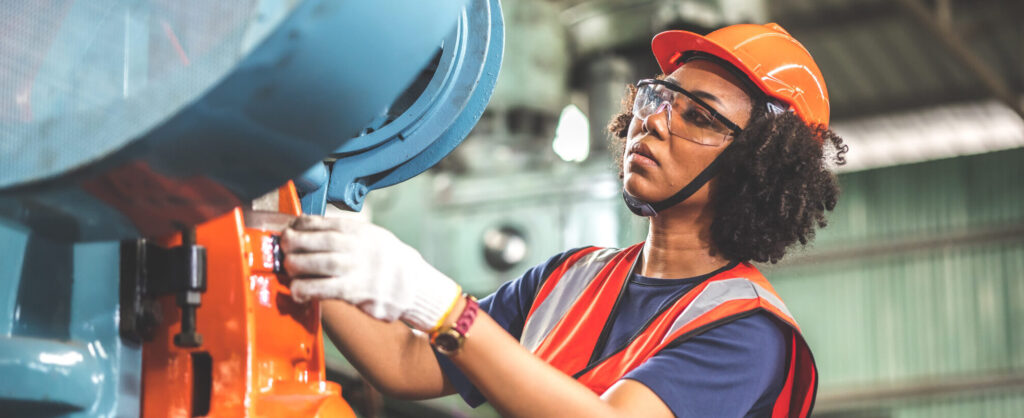
Injuries Common to Manufacturing Work
Factory and plant environments create a specific injury profile that differs from most other workplaces. Many manufacturing jobs involve heavy machinery, industrial equipment, and production processes that can increase the risk of certain types of workplace injuries.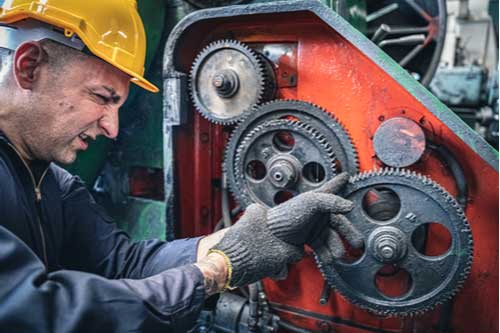
- Crush injuries and amputations from presses, conveyor systems, and other moving machinery
- Burns from welding, molten materials, or industrial chemical processes
- Chemical exposure from solvents, coatings, and cleaning agents used in production
- Repetitive strain injuries from assembly line work performed at a fixed pace for full shifts
- Noise-induced hearing loss from sustained exposure to industrial equipment
The national manufacturing sector reported a total recordable injury rate of 2.8 cases per 100 workers in 2024. That is noticeably higher than the 2.3 rate across private industry generally. That gap reflects the machinery and material handling risks concentrated in this kind of work. It also reflects why a single incident on a production line can involve more moving parts, literally and legally, than a comparable injury in an office or retail setting.
Workers Comp for Manufacturing Injuries
The benefit categories available to an injured factory worker follow the same general structure as any North Carolina workers’ compensation claim: medical treatment, wage replacement, and disability benefits where applicable. Workers’ compensation for industrial injuries differs in the kind of evidence that actually proves a manufacturing injury, not in the categories of benefits themselves.
Machine specifications, maintenance logs, and safety training records often matter more in a plant injury claim than they would in a simpler workplace accident. An insurer disputing a machinery-related injury will look closely at whether proper guarding was in place and whether the worker had received documented training on the specific equipment involved.
Equipment and a Workplace Injury at a Plant
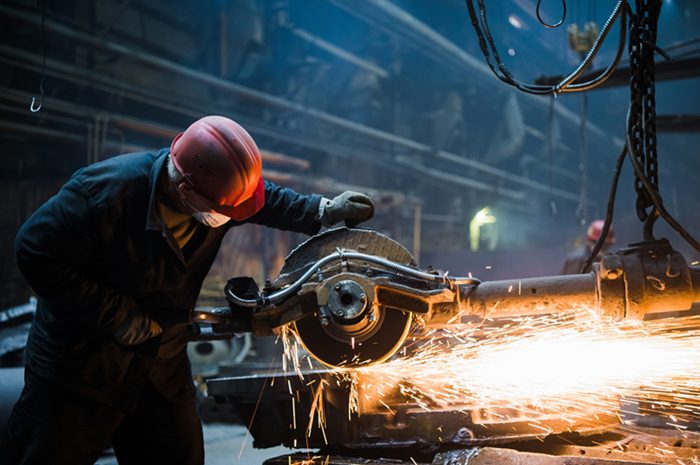
Here is a detail that changes the shape of some manufacturing claims entirely. When defective or poorly maintained equipment causes the injury, workers’ compensation is not necessarily the only source of recovery. If a machine’s design was flawed, that can open the door to a claim against the manufacturer. If an outside contractor was responsible for maintaining the equipment and failed to do so, that can open a claim against them too, separate from the workers’ comp system.
Workers’ compensation is a no-fault system that pays regardless of who caused the accident. It also limits what a worker can recover. A separate claim against a negligent equipment manufacturer or maintenance company can cover damages that workers’ comp does not reach, such as full lost wages and pain and suffering. This overview of third-party claims alongside workers’ compensation covers how the two claims interact. It also explains why identifying the equipment involved in an injury matters from day one.
Occupational Disease Risk in Factory Work
Not every manufacturing injury traces back to a single accident. Sustained exposure to noise, chemicals, or repetitive physical strain builds into a compensable condition over months or years. North Carolina treats that pattern as an occupational disease rather than a traditional injury.
Hearing loss from sustained equipment noise is one of the more common occupational disease claims to come out of factory work. It is also one of the more commonly overlooked, since gradual hearing loss rarely feels like an emergency the way an acute injury does.
Building a Factory Worker Injury Claim

Documentation in a manufacturing setting benefits from more specificity than most other workplace injuries require. Noting the exact piece of equipment involved, not just “a machine,” makes a real difference if the claim later expands beyond workers’ comp into equipment liability.
- Identify the specific machine or equipment by name and model number if possible, along with the department or line where it happened
- Note whether any guarding, lockout procedures, or safety equipment was missing or malfunctioning at the time
- Request a copy of your training records for that equipment, since insurers frequently raise training as a dispute point
- Document chemical exposure incidents against the Safety Data Sheet for the specific substance involved, since generic descriptions rarely hold up under scrutiny
Workplace injury benefits for factory workers depend heavily on how well the initial claim connects the specific hazard to the specific injury, rather than describing the incident in general terms that an adjuster can pick apart later.
Help After a Manufacturing Workplace Accident
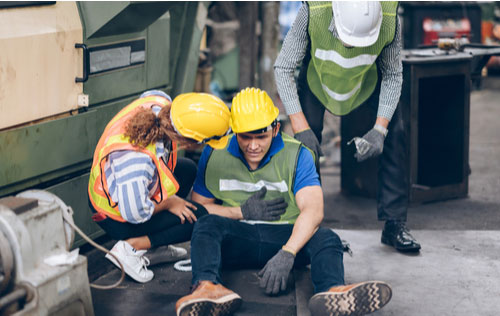
A serious manufacturing injury often changes more than a single paycheck. Amputations, crush injuries, and severe burns can end a career in skilled trade work that took years to build. Because these injuries often involve significant medical treatment and long-term disability, workers’ compensation claims arising from serious manufacturing accidents can involve more complex factual and medical issues than less severe workplace injuries.
What separates a strong manufacturing workplace accident compensation claim from a weak one usually comes down to specificity gathered early. That means the exact equipment, the exact safety gap, and medical documentation that ties the diagnosis directly to the mechanism of injury. Waiting weeks to reconstruct those details from memory rarely produces the same result as documenting them close to the incident itself.
If a workplace accident at a Charlotte-area plant or manufacturing facility has affected your ability to work, talk with a workers’ compensation attorney for manufacturing workers. Look for someone who understands how these claims are built, not just how they are filed. A Charlotte workers’ compensation lawyer can also help sort out whether a third party shares responsibility before that window closes.
Workers’ Compensation
And Family Lawyers
Providing
Strength In A
Time of Crisis
Call US now:
Our Success
Case Results
$80,000
Elbow Injury
$350,000
Arm Injury
Related Posts

reviews
What Real Clients Have To Say
Melissa S.

Lou and his team did an outstanding job on my case. They kept me updated constantly. There were times when I was so overwhelmed-the encouragement I received from the firm is the BEST I’ve received from any law firm in the past. I HIGHLY recommend Lou and his team.
Tim J.
Great attorney helped the most at a important time.
Aimee B.
Lou and his team worked quickly to ensure that my husband received the care and physical therapy he needed after a pretty serious work injury. They handled every phone call and question with the insurance adjuster, we didn’t have to fight with anyone to get anything that was expected or promised. They communicated with us every step of the way, and they were especially responsive and helpful when my husband’s case required more than anyone had anticipated. Every person we have spoken with in Lou’s office were patient and respectful, we never felt like we...
Lucas J.
Very good people to work with! I highly recommend this law firm.
Dustin M.
I have never had a more pleasant experience with an attorney and their paralegals in my life!!! Hands down the best law firm in North Carolina, probably the whole country! Would definitely recommend them to anyone needing counsel. They are all so easy to get along with and friendly.... My employer lied, as many do in this situation but Lou and his team were quick to step in and get me the compensation I deserved! Thank you, from my whole family. Waple and Houk are #1
Darrin R.
Mr. Lou is by far the most compassionate attorney I’ve encountered and once again he helped me with a worker’s compensation claim and his paralegal was also great. Mr.Lou is very professional and he allows you room for your concerns and opinions, he’s just a great human being that doesn’t need to advertise his partnership law firm on tv just ask any of his past clients and they would totally agree with me, God forbid that I’m in a serious car accident but if I am he’s just a phone call away so if you...
Travis B.
Mr. Waple did a fantastic job on my case, even if I wasn't a lot of help he still came through and for that I thank you Mr. Waple.
Tara D.
I was at a point of despair & thought that my then employer would do the right thing. Lou’s honesty, and integrity; along with his guidance gave me the dose of reality that I needed to see the true colors of legality in corporate America. Without his savvy I would have been blindsided! Cherie, always responded to all of my responses, and nervous reactions and made sure Lou was aware of what was happening! Great firm, I would highly recommend to anyone who wants respect, honesty and guidance as a client!
Aunyette S.
Mr.Waple has handled both of my cases very well. I definitely recommend this team of professional lawyers and secretaries. Thank you!
Tashaun H.
My experience working with Lou was an absolute joy. From our very first conversation, he assured me that he would work relentlessly to help me secure adequate compensation for my case and he did just that. His paralegal, Cheri, was helpful with timely responses to any and all questions I had and she helped reduce the stress of a very tedious process. I highly recommend this firm for any future litigation and would love to work with them again if the opportunity arises.

Request a Consultation
We Are Here For You

Copyright 2026 All Rights Reserved | Accessibility Notice | Privacy Policy
Attorney Advertising. This information is designed for general information only. The information presented should not be construed to be formal legal advice nor the formation of a lawyer/client relationship. Past results and testimonials are not a guarantee, warranty, or prediction of the outcome of your case, and should not be construed as such. Past results cannot guarantee future performance. Any result in a single case is not meant to create an expectation of similar results in future matters because each case involves many different factors, therefore, results will differ on a case-by-case basis. By providing contact information, users acknowledge and give explicit consent to be contacted via the methods of communication provided, including SMS. Message and data rates may apply. Message frequency may vary. Reply STOP to opt out.